CAC News
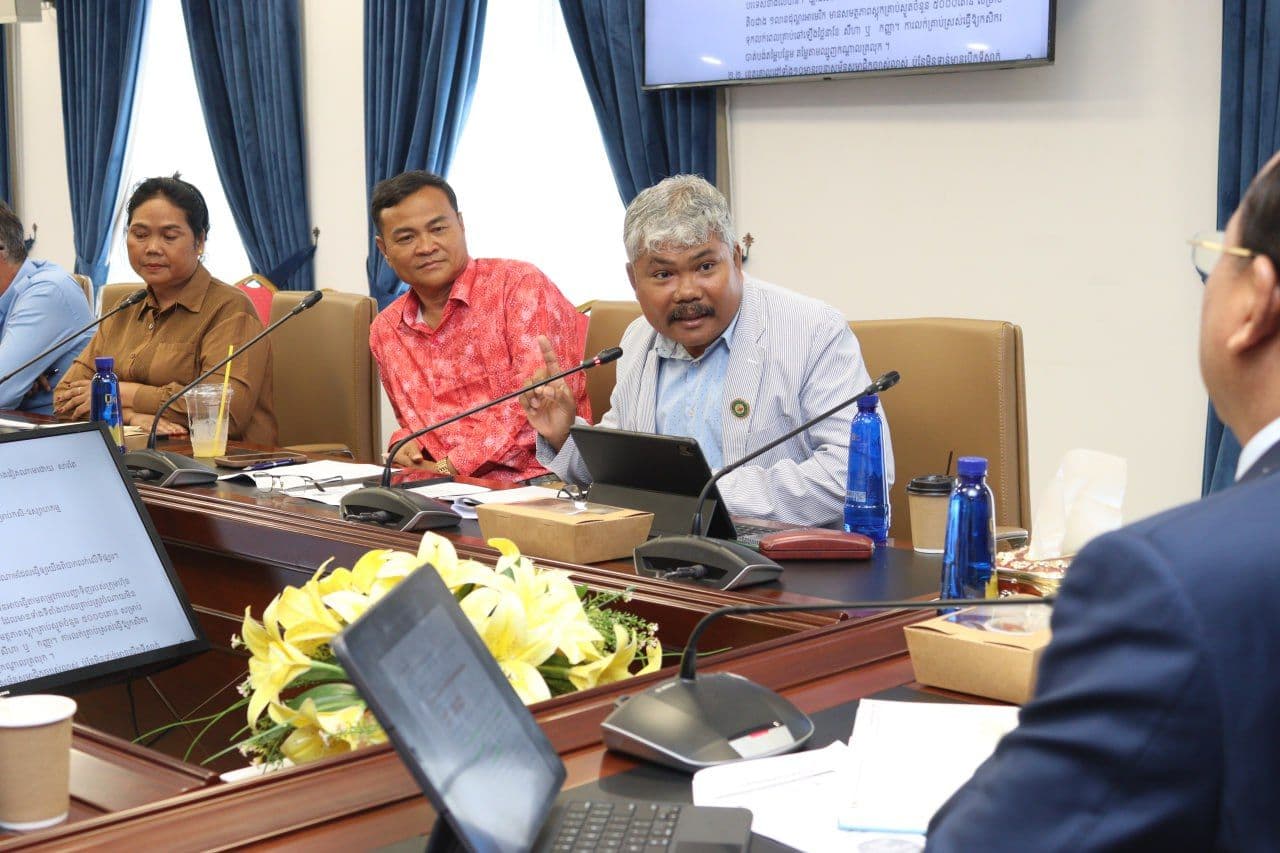
Kampong Thom, December 11 — The Cashew Nut Association of Cambodia (CAC) held separate meetings this week with two international companies to explore new opportunities in investment, processing, and carbon-credit development within Cambodia’s growing cashew sector.
In the first meeting, CAC Chairman Silot Uon met with Trent Eddy, Chairman of the Singapore-based EMGH Group, for discussions focused on investment fund mobilization. Eddy expressed interest in expanding EMIA’s investment footprint in Cambodia. The organization currently holds small stakes in companies across the agriculture, healthcare, and food and beverage industries, and is now exploring additional opportunities in the cashew sector.
According to Eddy, targeted investment in Cambodia’s cashew industry could provide essential working capital for local processors, enabling them to purchase raw cashew nut (RCN) stock throughout the year. Under EMIA’s investment model, processors could collaborate with investors without the collateral requirements typically imposed by banks. Eddy also expressed interest in meeting with more cashew processors nationwide to better understand the production chain, with CAC providing coordination.
The second meeting brought CAC into discussions with Livelihood Venture, a French social enterprise involved in carbon-reduction projects in Asia. The company currently operates carbon footprint initiatives in Indonesian coffee plantations and supports low-carbon rice production in Vietnam. Livelihood Venture is now exploring a new carbon-credit program for cashew farms in Kratie province and has requested CAC’s support.
Under the proposed approach, Livelihood Venture would work with smallholder farmers managing approximately 5,000 hectares, providing financial and technical support for farm maintenance while helping identify market opportunities. In return, farmers would be required to sign agreements committing to preserve their cashew trees over a set period, enabling the project to generate carbon credits.
Silot said CAC stands ready to support both initiatives once feasibility studies confirm their potential for implementation.