

Cashews are among the most popular nuts worldwide, prized for their buttery texture and naturally sweet, savory flavor. Global demand for the nut continues to rise, with market research estimating the cashew industry was valued at more than $8 billion in 2022. Analysts expect that figure to climb to over $11 billion by the end of the decade, reflecting growing consumer interest in healthy snack options and plant-based ingredients.
Beyond being eaten as a snack, cashews appear in a wide range of dishes. They are commonly used as toppings for salads and as key ingredients in recipes such as cashew chicken, cashew curry, stir-fries, pasta dishes, and wild rice soup. The versatile nut also features in desserts and treats, including cookies, ice cream, caramel cashew cheesecake, chocolate clusters, and cashew brittle. In addition, cashews are often blended into dairy alternatives like cashew milk and creamy vegan sauces.
Cashews grow on trees native to Brazil’s tropical climate. These trees can reach heights of about 50 feet, but they require patience from farmers: they may take three years to produce fruit and up to eight years before commercial harvesting is possible. While Brazil was historically a major producer, countries such as Cambodia, India, Vietnam, Nigeria, and Côte d’Ivoire now produce larger quantities annually.
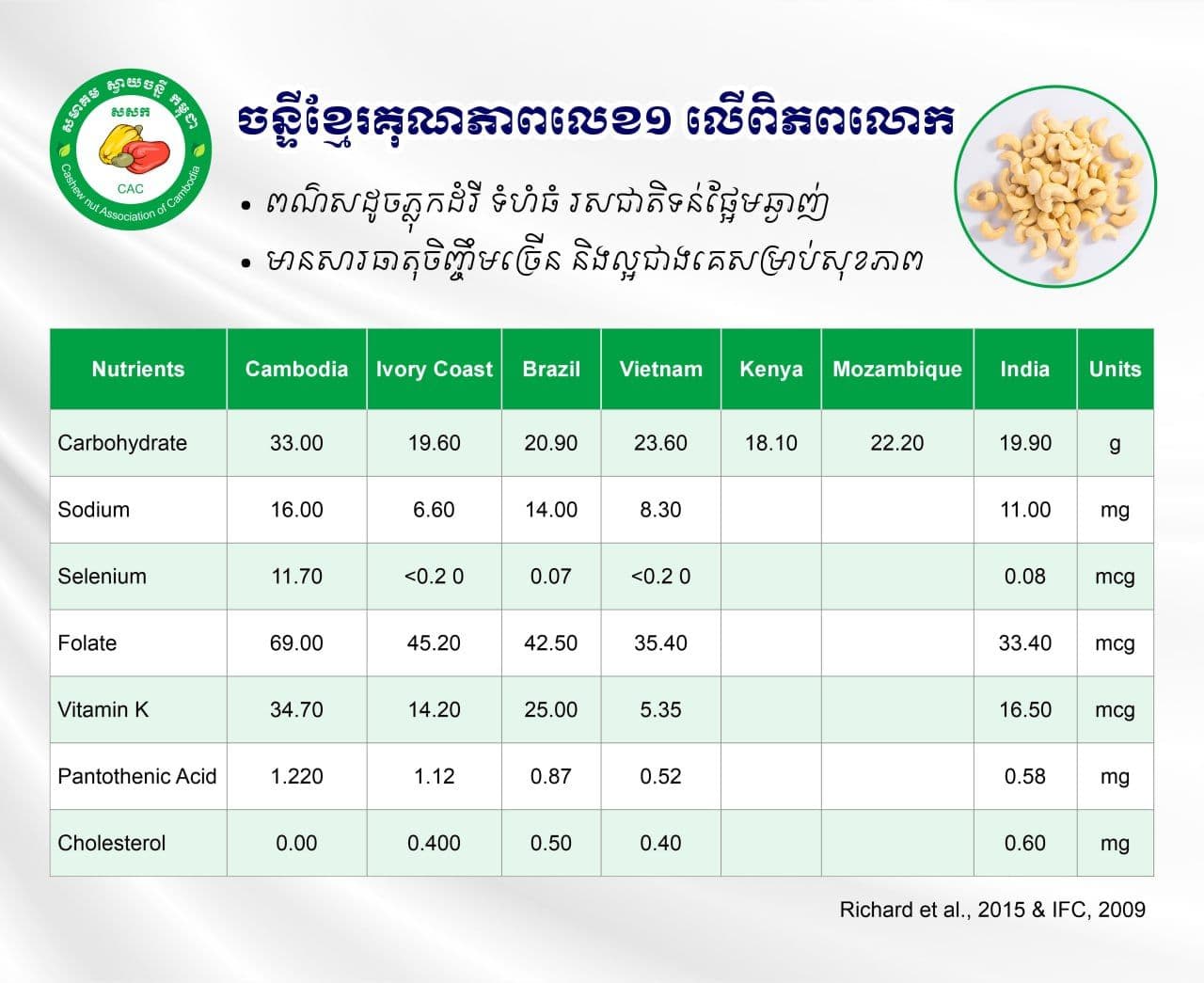
Nutrition experts say cashews provide several health benefits. According to registered dietitian Kristen Smith, a single cup contains more than 20 grams of protein and over 4 grams of dietary fiber, nutrients that can help people feel fuller longer and stabilize blood sugar levels. Cashews also supply essential vitamins and minerals including calcium, iron, magnesium, potassium, zinc, copper, and vitamins C and K.
Nutritionist Amy Goodson notes that cashews contain heart-healthy monounsaturated fats that may help reduce LDL, or “bad,” cholesterol. Meanwhile, antioxidants and minerals in the nuts support bone health and help protect cells from oxidative stress. They also contain lutein, which contributes to eye and skin health.
However, experts emphasize that portion control is essential. One ounce of cashews—about 16 to 18 nuts—contains roughly 157 calories, while a full cup can approach 800 calories. Cashews can also trigger allergies in some people and contain oxalates that may contribute to kidney stones in susceptible individuals.
For most people, dietitians say moderate consumption of unsalted or raw cashews can be a healthy addition to a balanced diet.

Reference USA TODAY