CAC News
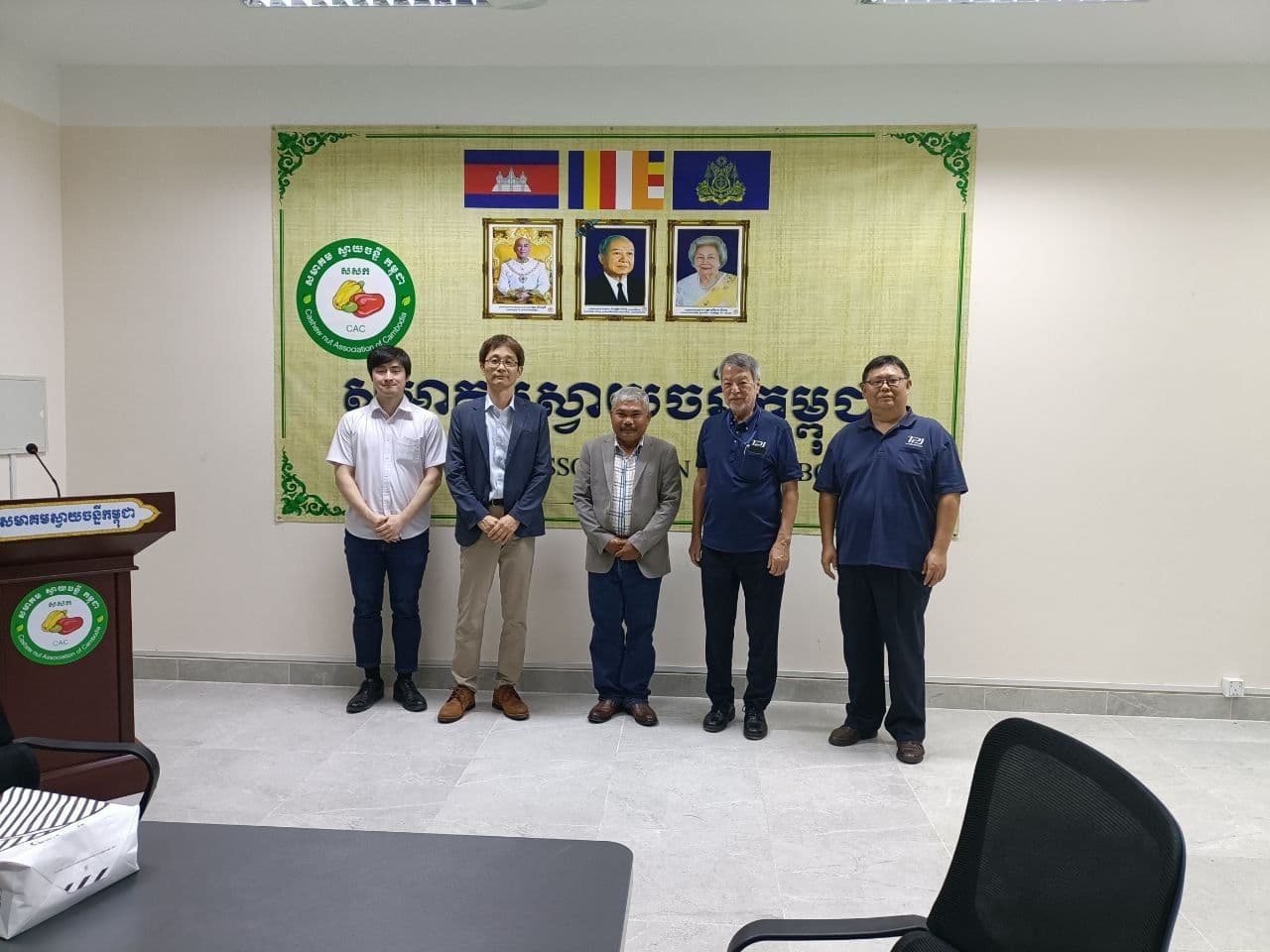
KAMPONG THOM, Cambodia, Aug. 26, 2025 — The Cashew Nut Association of Cambodia (CAC) has held discussions with Japan’s Cooperation Center for Petroleum and Sustainable Energy (JCCP) and Top Planning Japan Co., Ltd. (TPJ) on developing renewable-energy opportunities from cashew-processing by-products.
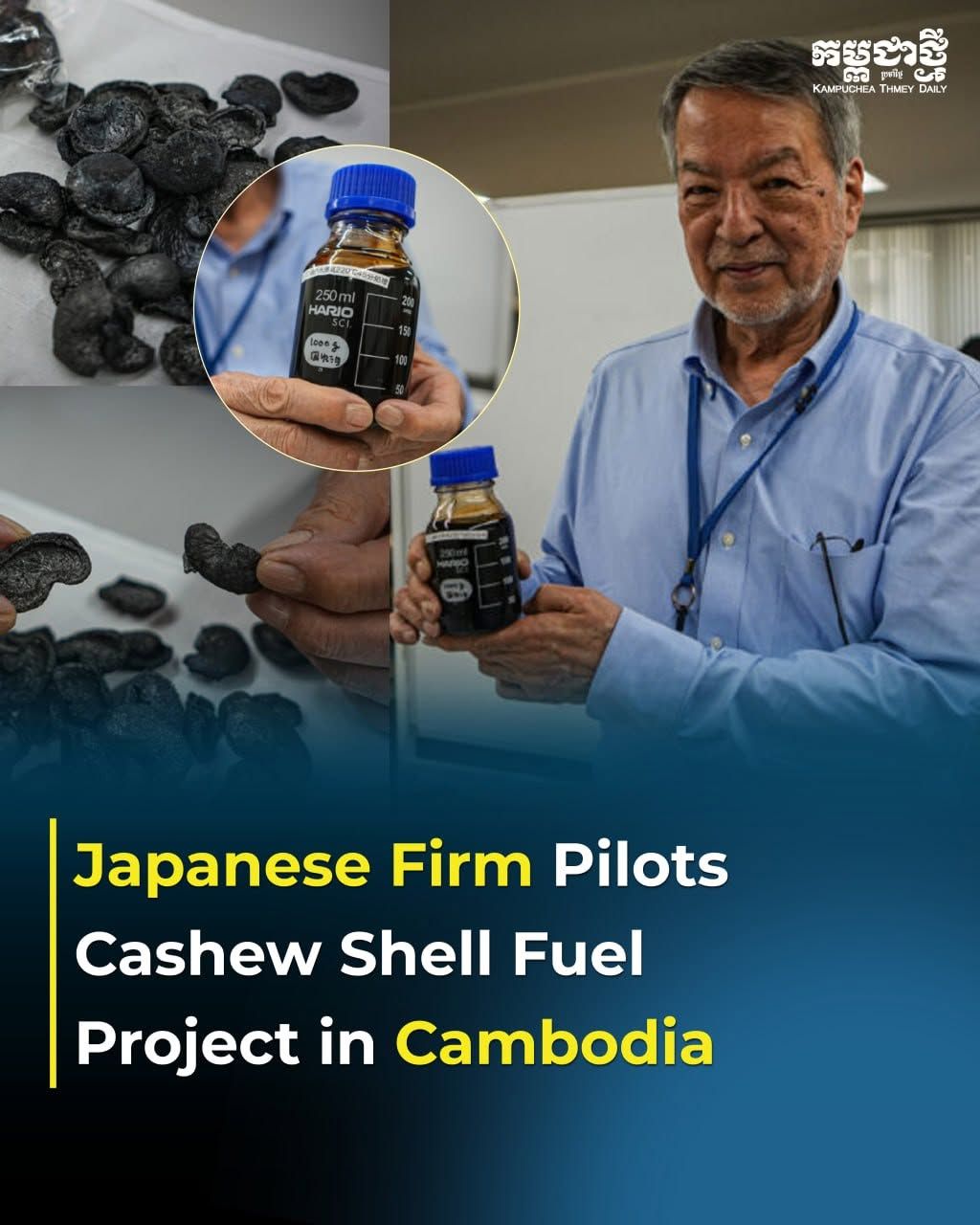
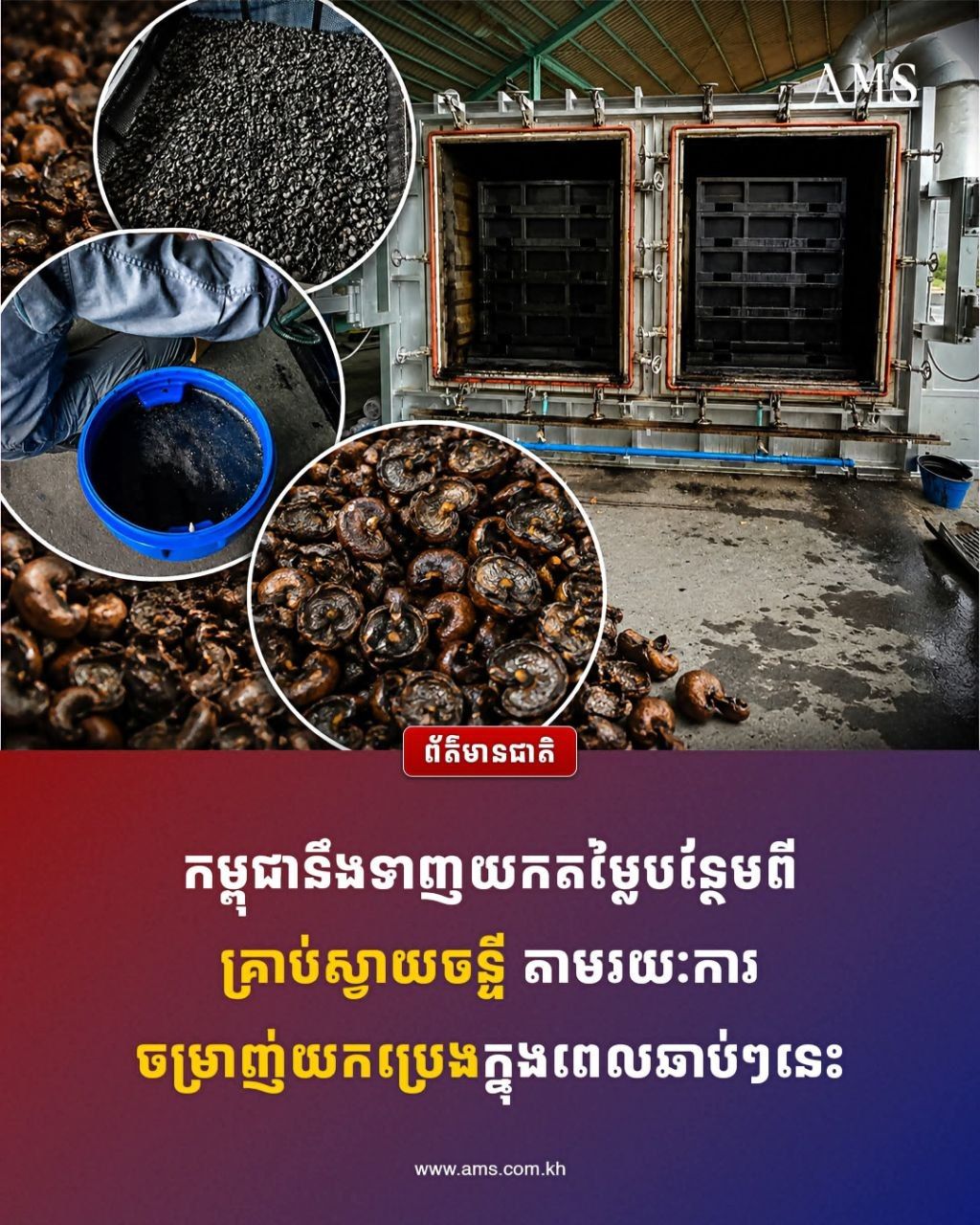
The meeting, held at the CAC head office in Kampong Thom province, focused on a planned demonstration project to extract cashew nut shell liquid (CNSL) from cashew shells and convert the remaining shell residue into carbon-based products.
JCCP, represented by Dr. Okamura, and TPJ shared plans to introduce a pilot test unit to Kampong Thom. The project is expected to demonstrate the technology and assess opportunities for future cooperation with CAC and Cambodia’s cashew-processing industry.
According to JCCP, Japan’s latest technology can extract CNSL in two processing stages, compared with conventional systems that can require up to five stages. The compact technology is designed to use less electricity, require less space and reduce environmental impacts, including odor emissions.
The CNSL demonstration project at Mirarth in Kampong Thom is scheduled to begin operations in December 2026. It would become Cambodia’s second CNSL extraction facility, following a medium-scale plant established by a Chinese company in the province.
Turning Cashew Waste into New Products
The discussions also examined the potential use of the remaining shell material after CNSL extraction. Rather than treating the residue as waste, the material could be converted into agricultural or industrial biochar depending on the processing temperature and technology.
Under a theoretical processing model, 100 kilograms of raw cashew nuts could produce about 25 kg of kernels and 75 kg of shells. From the shells, approximately 15 kg of CNSL and 60 kg of shell residue could potentially be recovered.
Dr. Okamura said cashew shell biochar could contain up to 90% carbon, compared with around 50% for rice-husk biochar. Agricultural biochar could be used to improve soil health and fertility and potentially enhance nutrient absorption by crops.
The development of these products could create an additional value chain alongside cashew kernels, allowing processors to generate revenue from materials that are traditionally treated as waste.
CNSL as a Potential Energy Substitute
The project also has potential implications for Cambodia’s energy security. Dr. Okamura said CNSL could potentially be blended with diesel, with a mixture of 80% CNSL and 20% diesel being explored as a possible fuel substitute.
Such applications could help reduce Cambodia’s dependence on imported petroleum products if the technology proves commercially and technically viable.
TPJ plans to seek additional support and cooperation from relevant stakeholders, including Cambodia’s ministries responsible for industry and energy, as it advances the demonstration project.
For Cambodia’s cashew sector, the initiative could provide an opportunity to develop a more integrated processing industry in which kernels, CNSL, biochar and other by-products contribute to the overall economic value of every tonne of raw cashew nuts processed domestically.