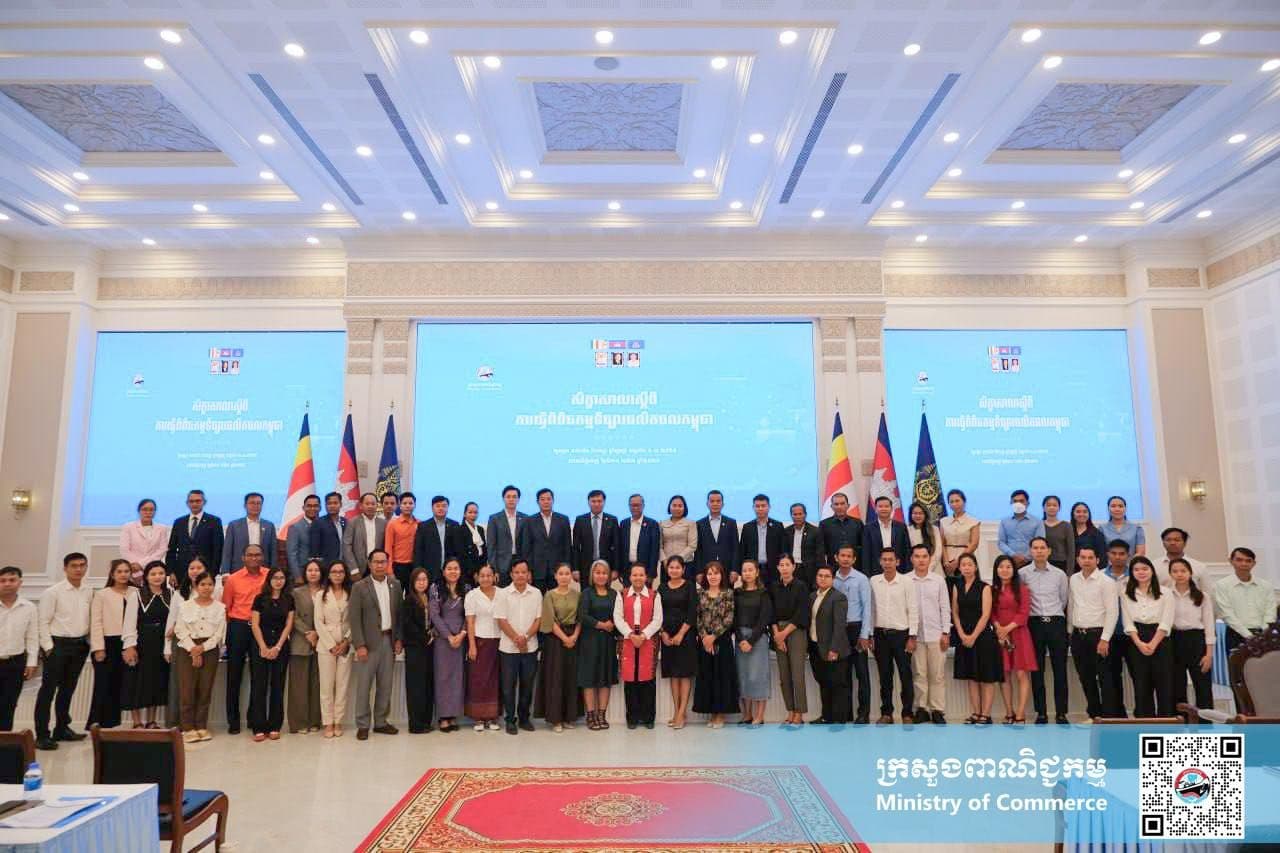

The Cashew nut Association of Cambodia has announced plans to host the inaugural “Cambodia International Cashew Conference” in late 2026 or early 2027 to promote the Kingdom’s cashew production potential, attract greater investment in domestic processing and strengthen connections between farmers and international buyers.
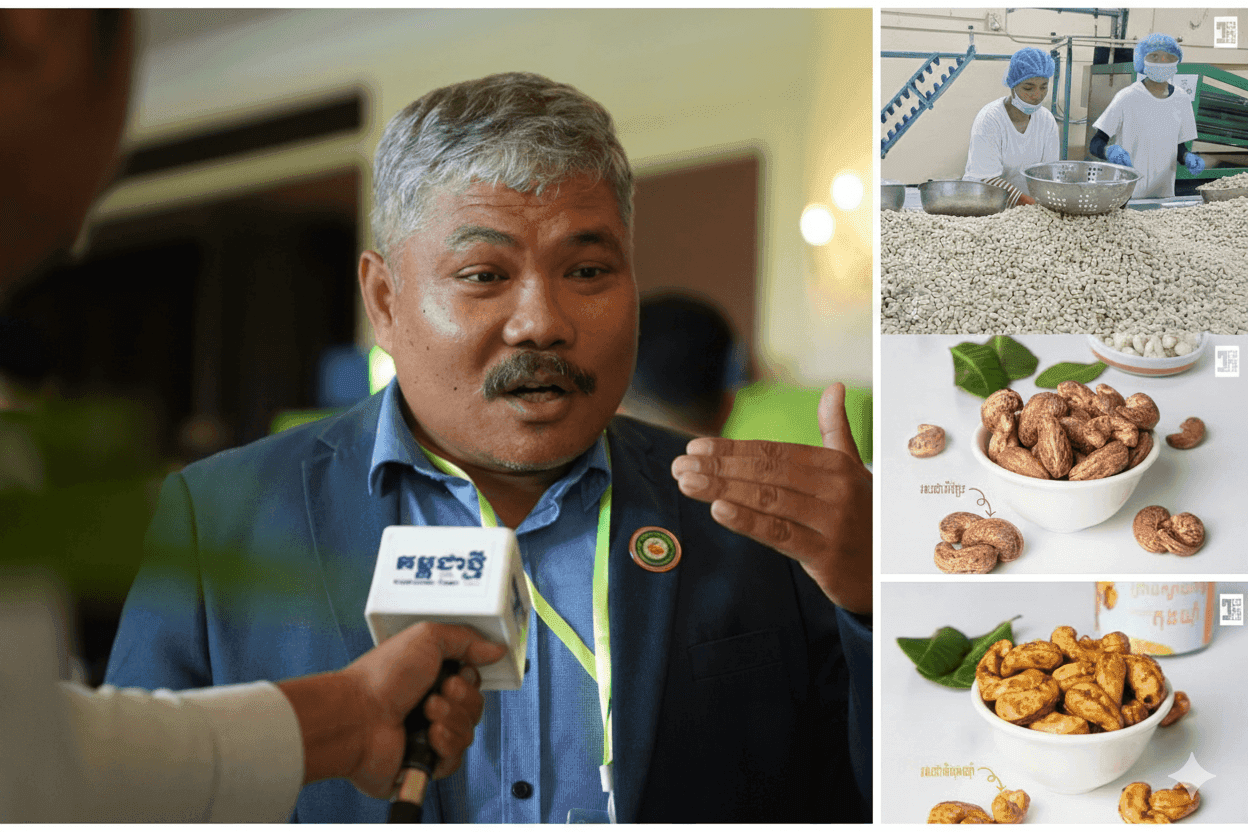
CAC president Silot Uon explained that the conference would enhance the country’s position in the global market. It will serve as a platform to connect major international buyers with local producers and businesses, encouraging investment in processing and value-added production within Cambodia.
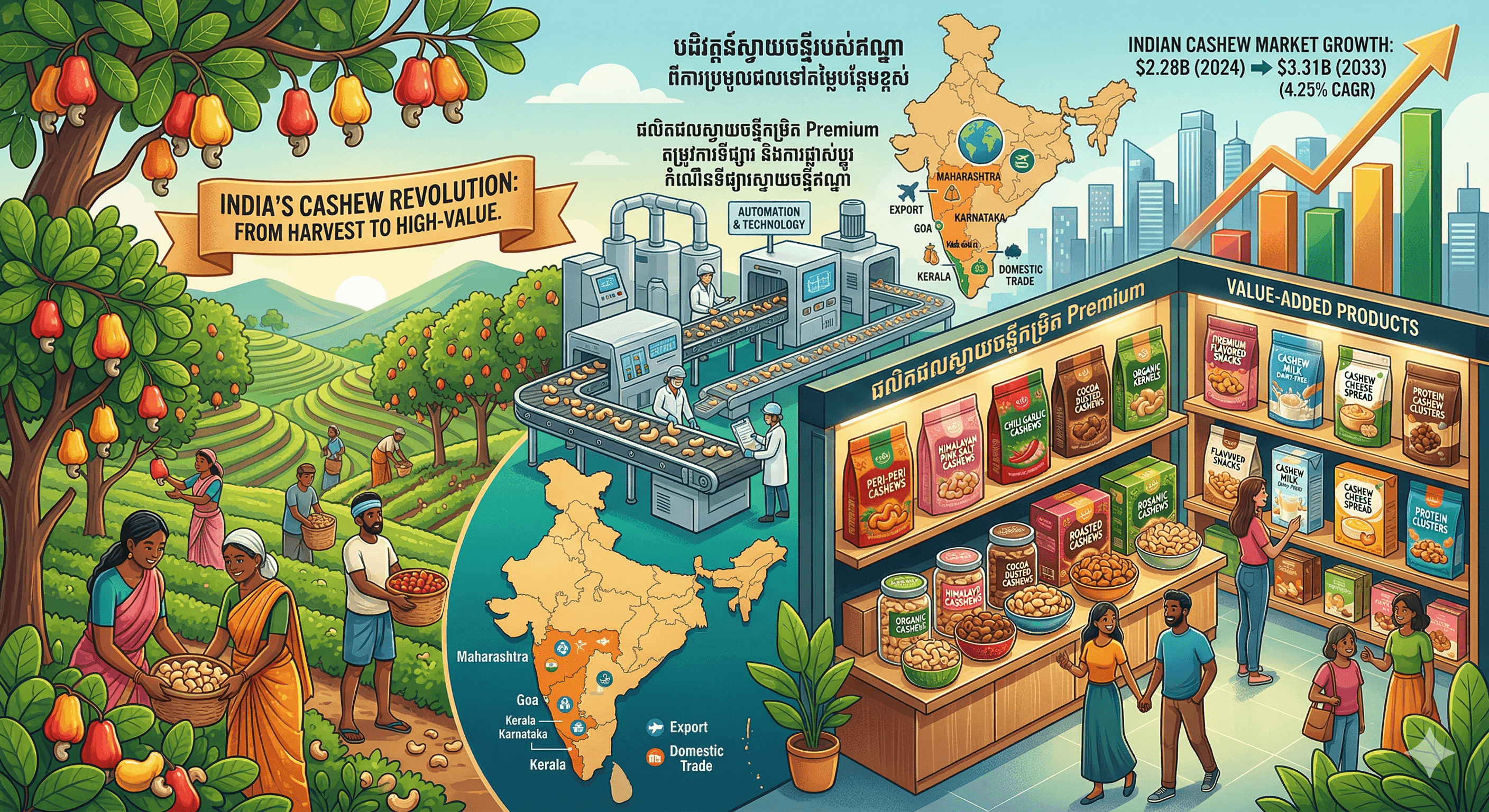
He noted that although the Kingdom produces around one million tonnes of raw cashew nuts per year, domestic processing capacity remains limited, with around 95 per cent of raw produce exported to Vietnam. The conference is intended to attract both local and international investors to develop processing capacity, while also drawing interest from domestic and international institutions involved in agriculture.
“This conference is a major turning point for Cambodia’s cashew industry. It will not only promote investment and processing but also demonstrate Cambodia’s readiness to become a competitive player in the regional and global cashew markets,” he said.
According to the CAC, Cambodia’s cashew industry currently supports around 25,000 farming households, provides full-time employment to 38,000 workers, and hires an additional 150,000 seasonal workers during harvest periods — generating about $175 million in seasonal rural income.
The association noted that the conference will create opportunities for farmers, traders and entrepreneurs to collaborate more effectively and gain higher value from the sector. The event is expected to attract around 150 participants from companies, organizations, and investors from countries such as Vietnam, India, China, Japan and South Korea.
Experts estimate that if all of Cambodia’s raw cashew production were processed domestically, it could create up to 10,000 new jobs and significantly increase incomes for farmers and workers across the entire value chain.