CAC News
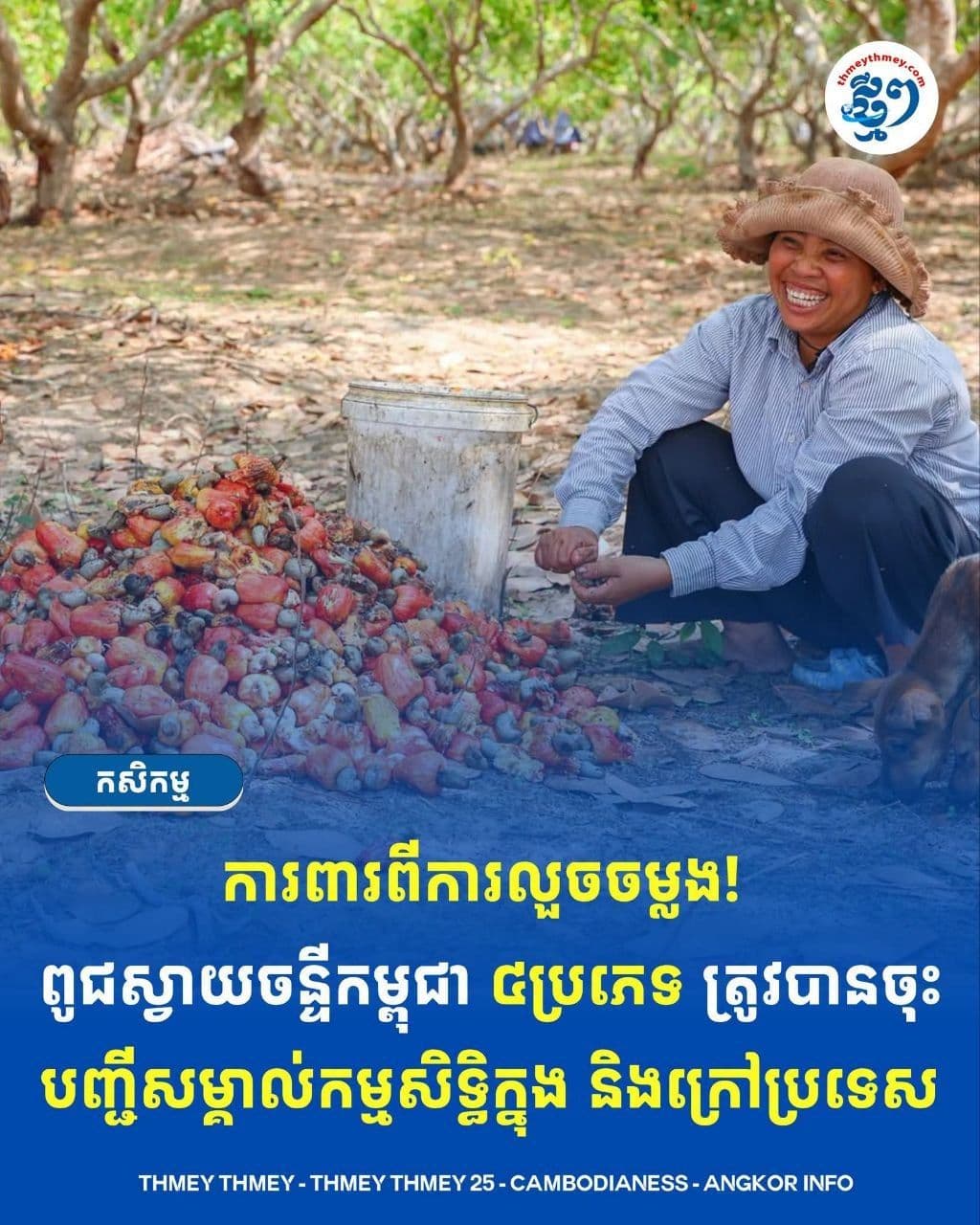
Siem Reap, Cambodia — Cambodia’s cashew sector is exploring ways to turn millions of discarded cashew apples into value-added products, potentially creating a new source of income for farmers while reducing agricultural waste.
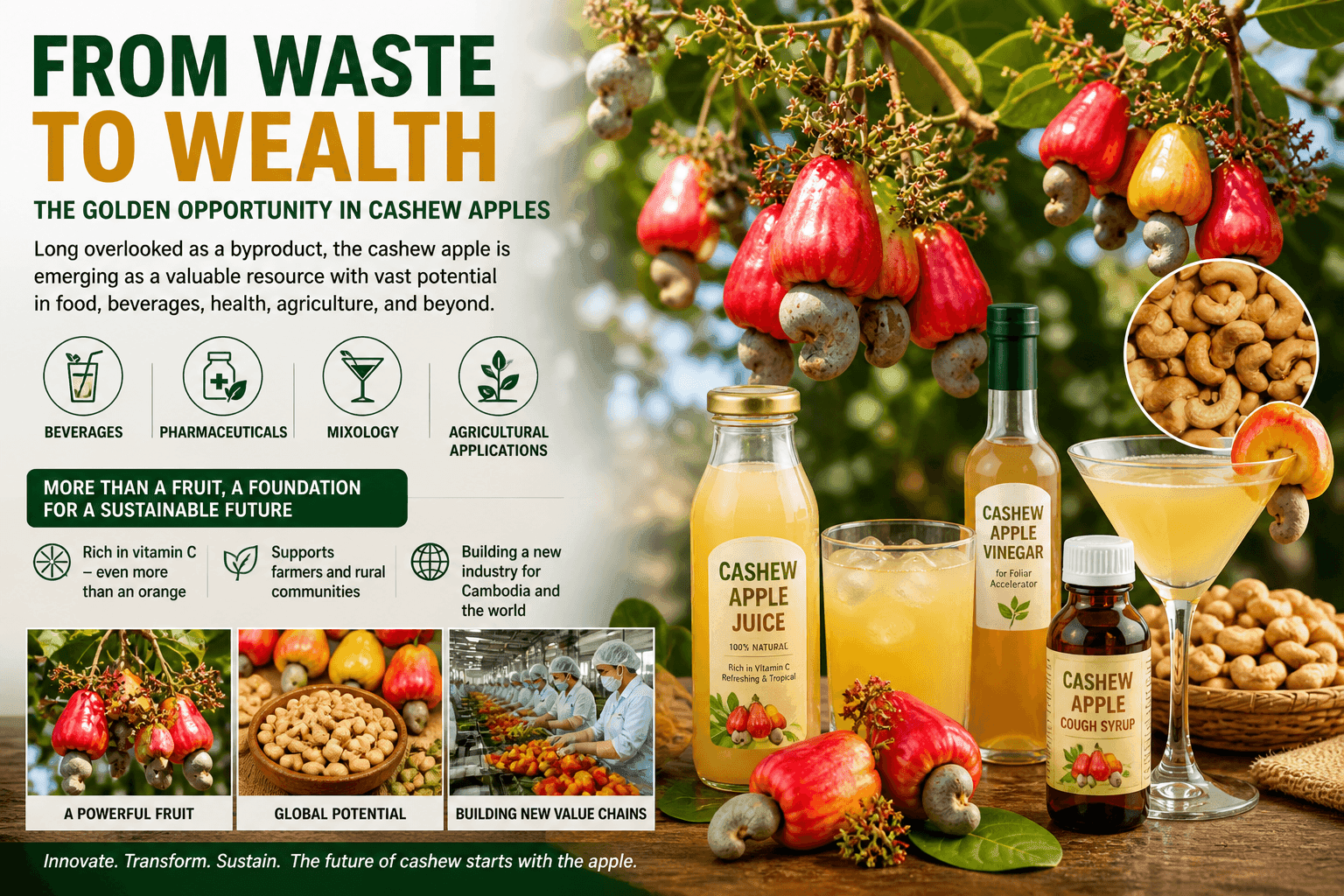
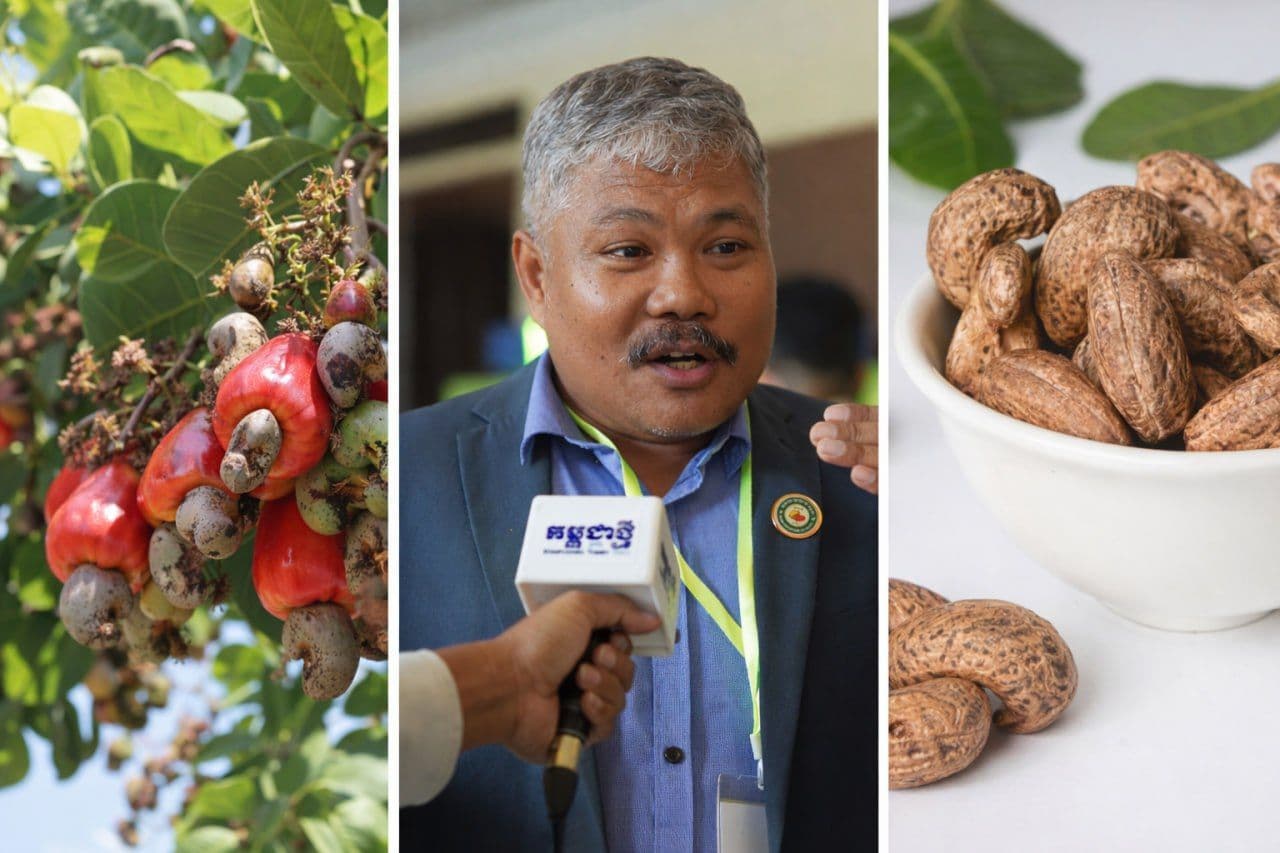
Cashew apples, the fleshy fruit attached to cashew nuts, are often discarded in plantations after harvesting the nuts, with five tonnes of cashew apples produced for every tonne of nuts. Despite being rich in nutrients, including vitamin C, fiber and antioxidants, the fruit has historically had little commercial value because of its short shelf life and naturally astringent tannins.
Andreas Krug, a German engineer working in Cambodia and CEO and owner of Little Bridge Co., Ltd., said recent trials demonstrated the potential to process cashew apples into quality beverages. Collection and filtration trials produced a clear, clean and potable juice, providing an initial proof of concept for further development.
Krug said cashew apples intended for juice production need to be collected and processed within about 16 hours after harvest to maintain quality. He said the next challenge is to develop an efficient value chain covering fruit aggregation, cold-chain systems and processing capacity to serve both domestic and export markets.
However, Cashew Nut Association of Cambodia (CAC) President Silot Uon noted that harvesting practices must take into account the different quality requirements for cashew nuts. He said nuts that naturally fall from trees and are collected within three days generally offer better texture and aroma.
While early collection may be beneficial for cashew apple processing, naturally fallen nuts remain important for maintaining high-quality kernels, highlighting the need to develop harvesting and collection systems that can serve both products.
Silot said the CAC has also been exploring additional uses for cashew apples and other cashew by-products. The CAC has conducted research with a Chinese company on edible vinegar and foliar vinegar, in cooperation with the National Institute of Technology of Cambodia.
Krug, meanwhile, has been working on beverage applications, including juice and alcoholic drinks, as part of efforts to identify commercially viable uses for the fruit.
The development of cashew apple processing could help Cambodia capture additional value from its large cashew industry, reduce waste in plantations and provide farmers with an additional income stream.
“The fruit is already growing,” Silot said, emphasizing that the opportunity now lies in building the collection, processing and market systems needed to turn what is currently agricultural waste into a valuable commercial product.