
CAC News
December 3, 2025 — The international cashew market is experiencing significant turbulence as supply constraints, political disruptions, and shifting trade policies drive prices upward across both raw cashew nuts (RCN) and cashew kernels.
Strong RCN Prices Persist Despite Political Disruptions
Tanzania’s new-crop RCN continues to post strong auction results, with prices ranging between USD 1,700–1,760 per metric ton (51–53 lbs). Auctions had previously been halted due to political deadlock and post-election violence, further tightening supply and supporting firm price levels.
Elsewhere in Africa, late-season crops are showing deteriorating quality. RCN with 40–43 lbs outturn is now being offered at USD 1,270–1,380/MT, reflecting both declining quality and a shortage of supply.
Climate Uncertainty Weighs on Cambodia’s Production Outlook
Cambodia’s cashew sector faces growing uncertainty as harsh weather conditions toward the end of 2025 may negatively impact the upcoming 2026 harvest. Despite this, Cashew Nut Association of Cambodia (CAC) Chairman Silot Uon remains optimistic about long-term production growth. He urged farmers to adopt climate-resilience practices promoted through CAC workshops and field demonstrations.
Kernel Market Tightens as Vietnam Factories Sell Out
Global kernel prices continue their upward trajectory. Several Vietnamese processors report limited availability for December, with some already fully sold out for the month. The tight supply is reinforcing rising price trends across major kernel grades.
Demand Strengthens Ahead of Key Seasonal Holidays
Demand is robust from major consumer markets:
- Middle East buyers are stocking up ahead of Ramadan.
- China and Vietnam are increasing imports in preparation for Lunar New Year celebrations.
This seasonal surge is adding further pressure to already constrained supply chains.
Trade Policy Shifts Expected to Boost U.S. and EU Buying
Recent tariff removals are expected to stimulate stronger purchasing activity from U.S. and European buyers in early 2026. Analysts anticipate that this renewed demand could push prices even higher.
Cambodia Introduces New Incentives to Strengthen Agriculture
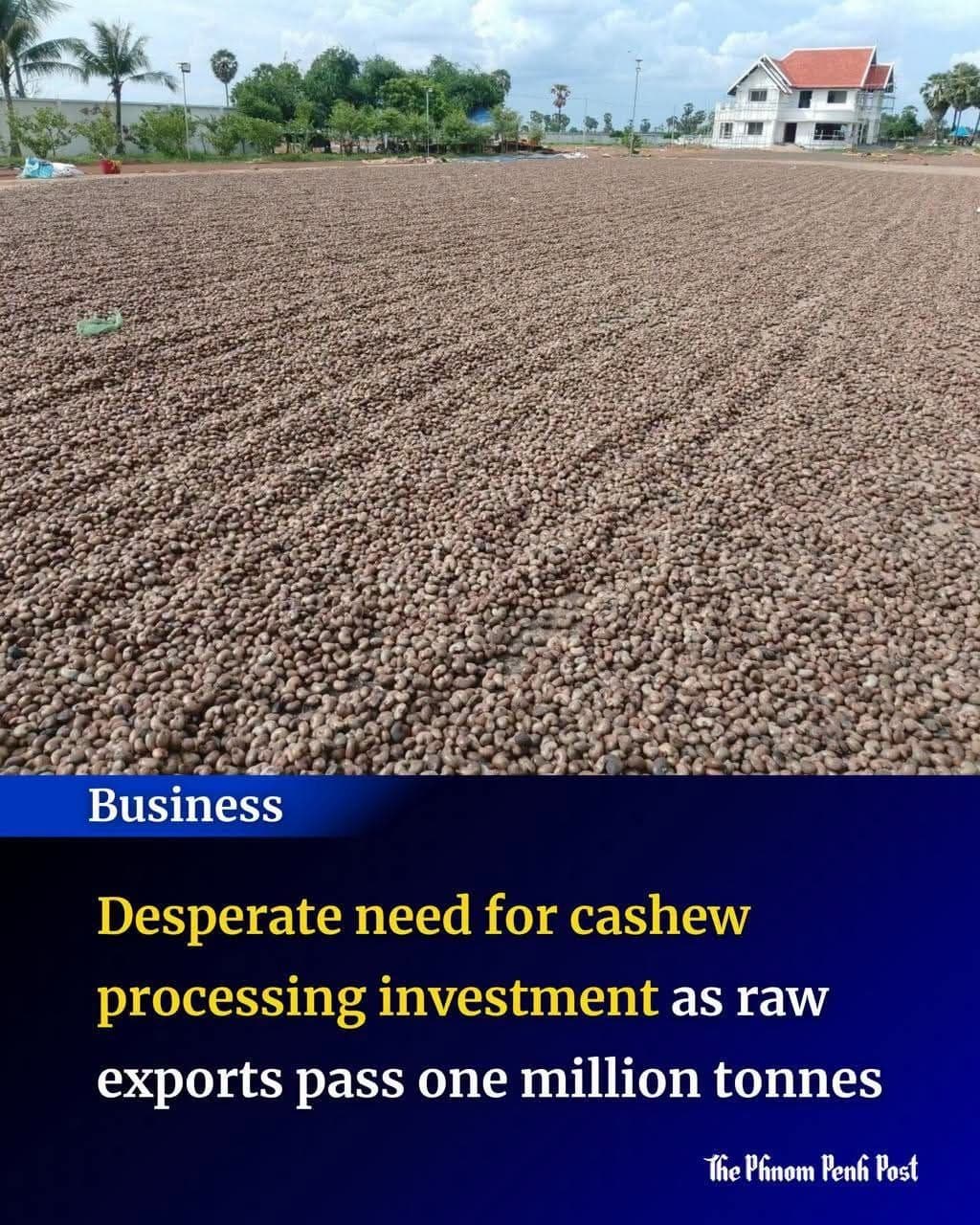
While Cambodia’s processing capacity remains limited compared to leading cashew-producing nations, the government is taking steps to bolster competitiveness. A newly launched package of tax incentives aims to support companies involved in agricultural cultivation, production, domestic supply, and export activities.
Processing companies in Cambodia typically begin receiving purchase orders in January, focused on popular grades such as W160, W180, and W240. Industry players note that stable sourcing remains possible through clearly defined contracts.