CAC News
Ratanakiri, Cambodia — November 27, 2025 — Cambodia’s cashew industry is confronting mounting challenges as climate change reshapes weather patterns and disrupts crop production across major growing regions. Field observations over recent months indicate that irregular rainfall, persistent cloud cover, and late-season typhoons have significantly affected cashew development, leading to delayed growth and reduced yields.
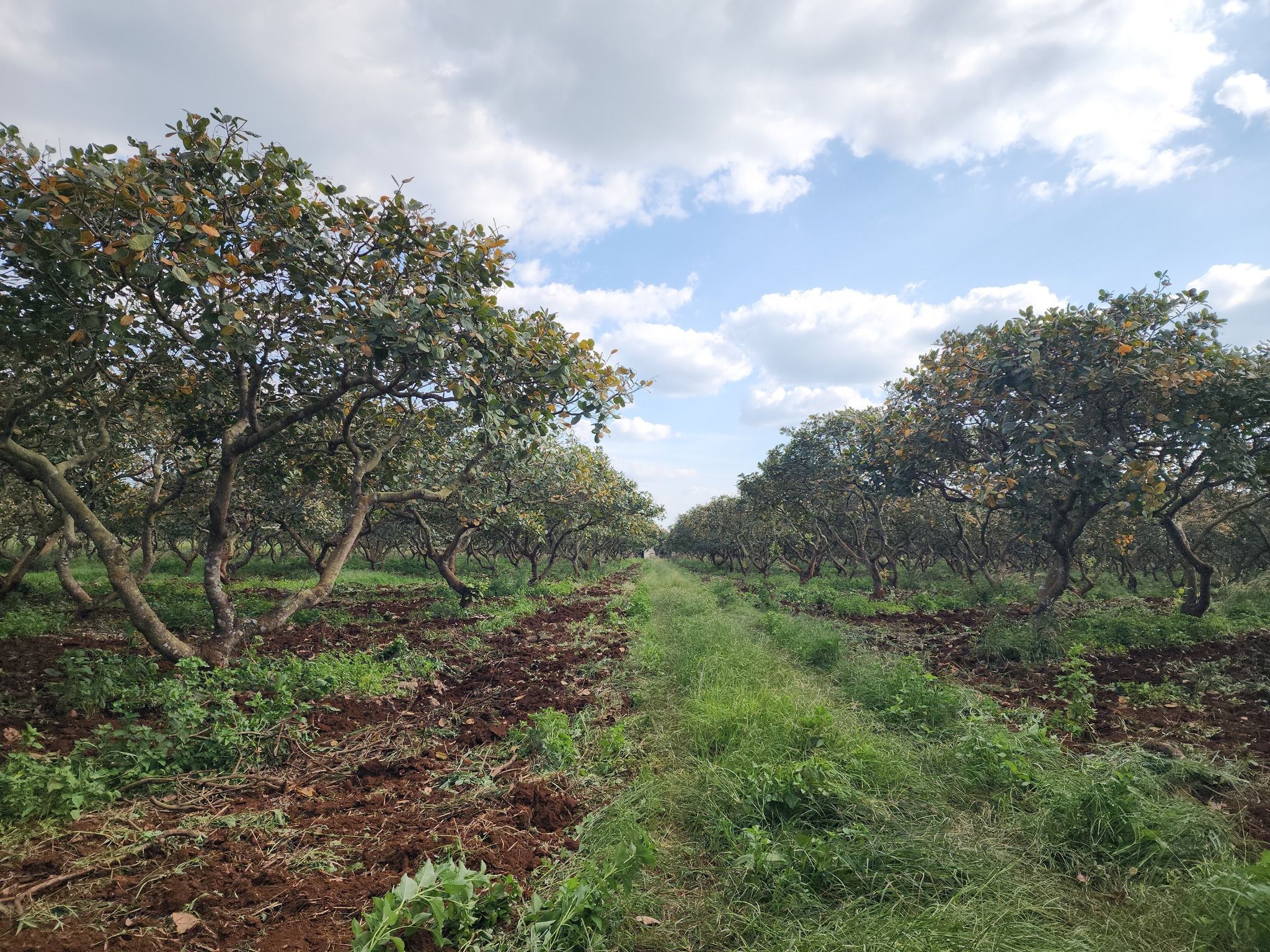
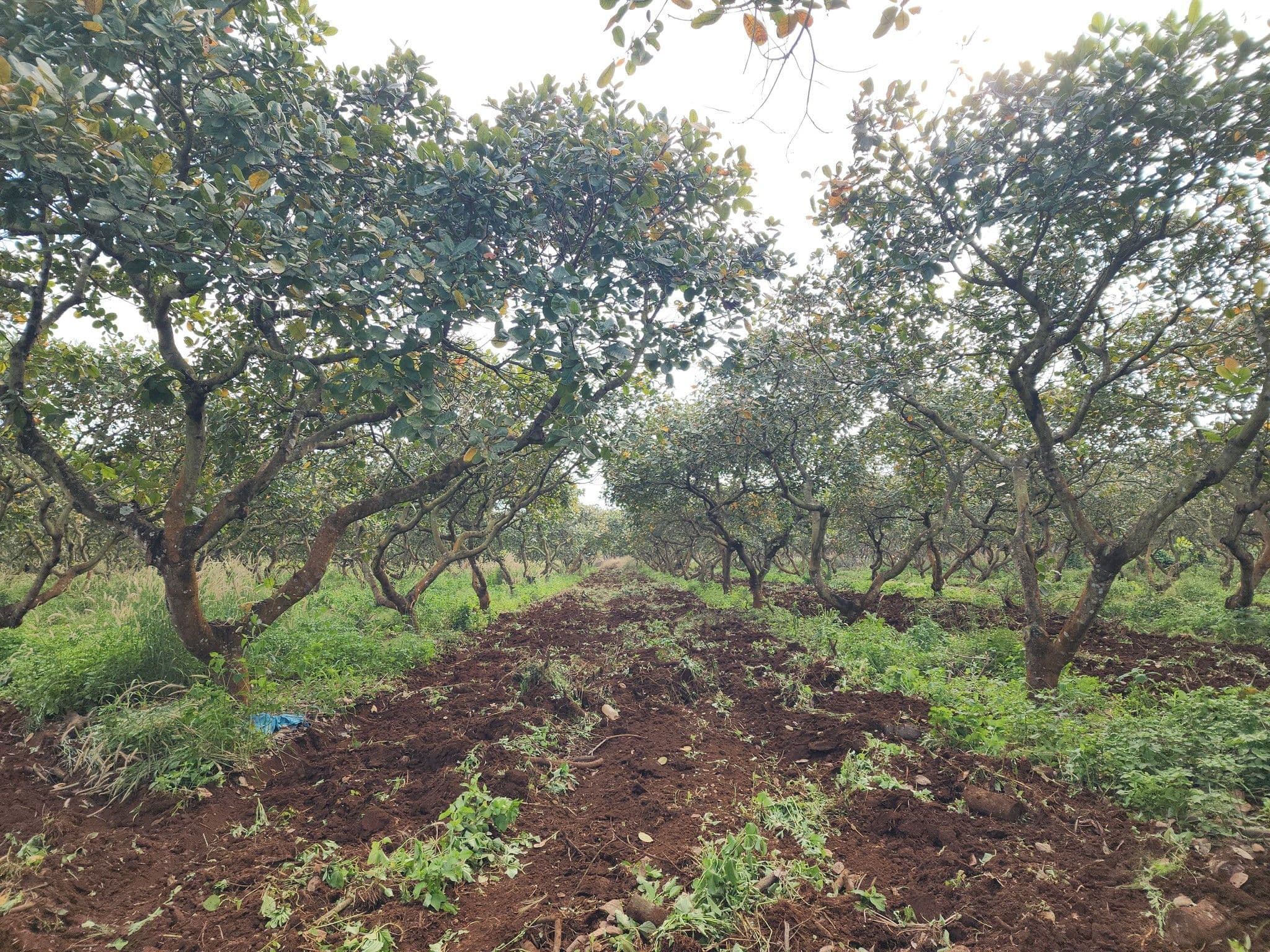
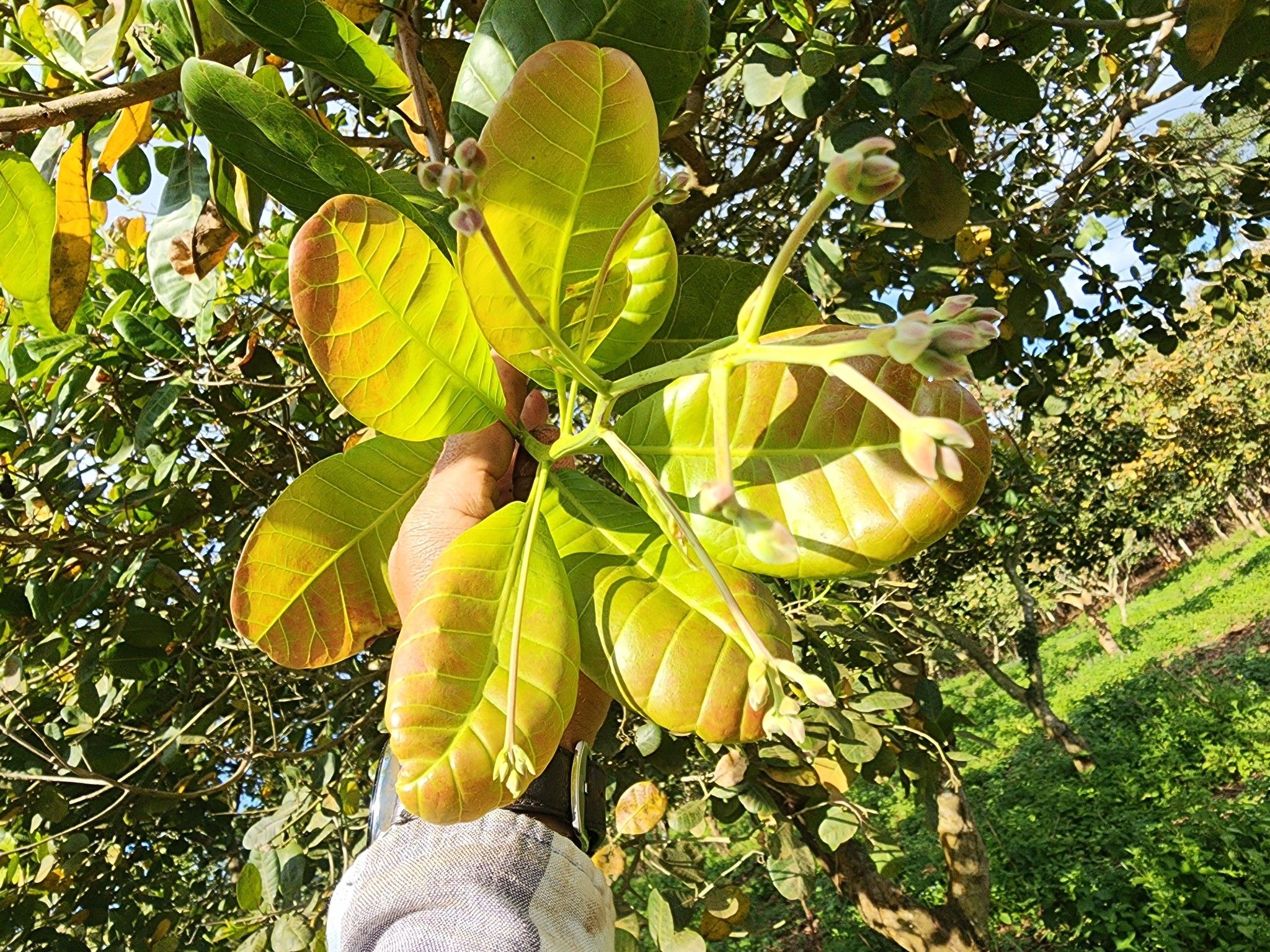
According to agronomist Karthikeyan Ganapathi of SK Plantation in Ratanakiri province, 2025 brought unusually high rainfall—particularly from September to November—combined with prolonged periods of limited sunlight. “These conditions directly impact cashew physiology,” he noted, citing delayed shoot formation, postponed flowering, water stagnation on sandy–clay soils and excessive weed pressure during critical growth stages.
These on-the-ground findings mirror national trends. Farmers across provinces such as Kampong Thom and Ratanakiri have reported rising losses driven by extreme weather, including unpredictable rainfall, strong winds and increased pest pressure. Experts warn that these stressors are likely to intensify as Cambodia experiences more pronounced climate variability.
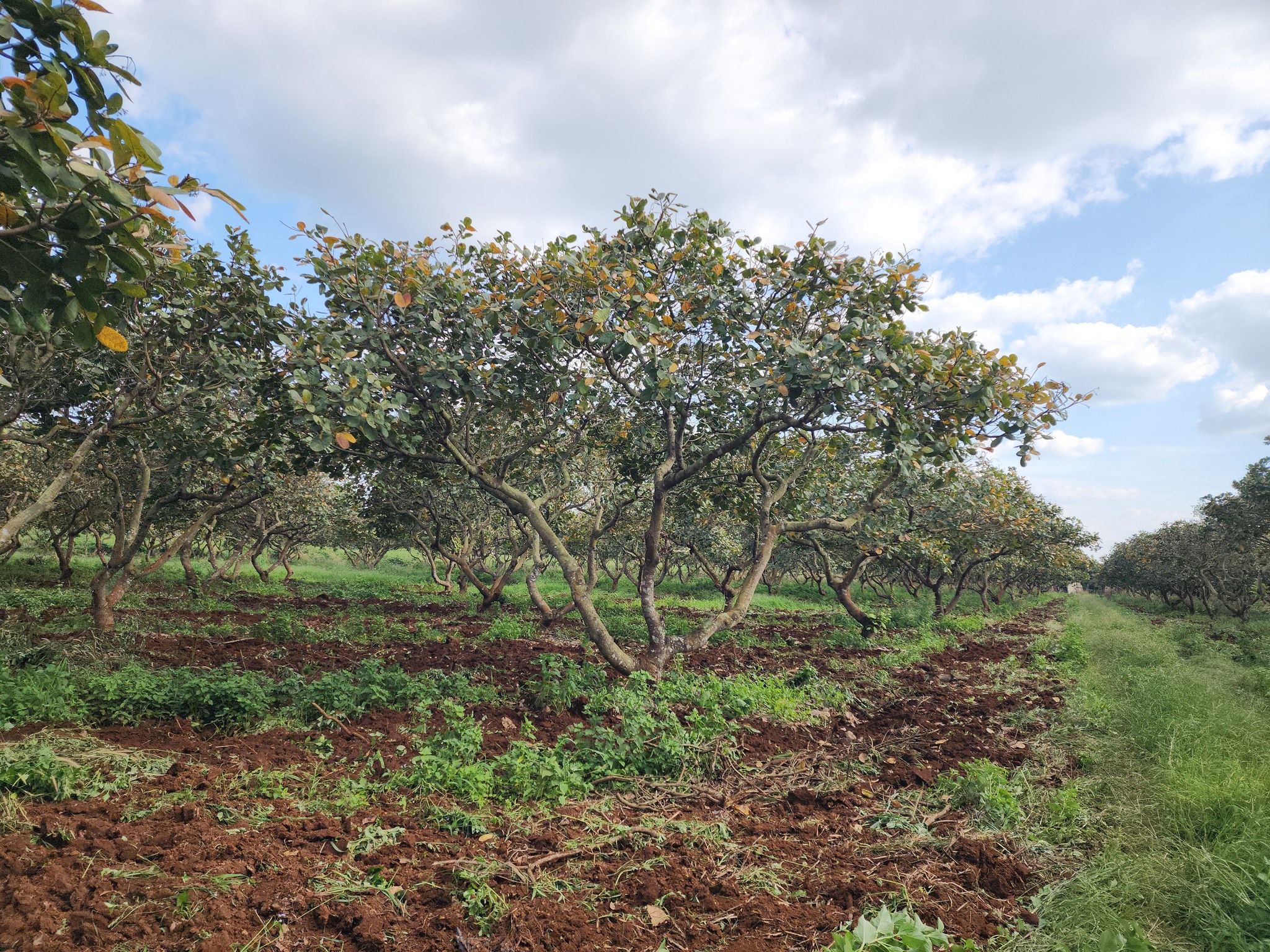
Ganapathi emphasized that climate-smart interventions are urgently needed. Priority measures include improved drainage systems to reduce waterlogging, timely weed control, mulching and cover cropping to stabilize soil moisture, and more frequent field monitoring for early detection of plant stress.
“Climate change is not a distant threat—it is already reshaping our fields,” he said. “With proactive management and adaptation, the cashew sector can remain resilient.”
The Cashew Nut Association of Cambodia (CAC) agrees that climate change poses a substantial challenge but highlights that farmers have tools to adapt. Chairman Silot Uon said CAC has conducted extensive field research and introduced affordable, home-made foliar solutions such as Highly Effective Microorganisms (HEM) and Indigenous Microorganism Bacillus subtilis (IMOBs). These methods, he said, have boosted cashew yields by more than 10 percent over the past four years while reducing production costs.

Since May 2025, CAC has delivered 40 planned training sessions, reaching more than 7,400 farmers across 10 provinces. Each workshop draws an average of 90 participants and focuses on practical, farm-based learning rather than direct financial assistance.
“Our aim is to empower farmers with real techniques that can help them make more income from their land,” Silot said.
Training sessions include demonstrations on producing low-cost fertilizers such as liquid compost, HEM, IMOBs and Bordeaux Mixture—practices that CAC says strengthen both soil health and crop resilience.
As Cambodia braces for more volatile weather in the years ahead, agricultural experts and farmer associations alike stress that innovation, adaptation and climate-smart practices will be essential to safeguarding the country’s cashew sector.