
Cambodia Pushes for Regenerative Agriculture to Tackle Climate and Soil Challenges
CAC News
Phnom Penh, Cambodia – Cambodia’s agricultural sector is at a critical crossroads, grappling with mounting challenges from soil degradation, climate change, and the pressing need to sustainably feed a growing population. Experts warn that if current trends continue, crop yields in the country could decline by as much as 30% by 2050 under high-emission climate scenarios. Already, intensive farming practices have degraded an estimated 43% of Cambodia’s agricultural land.
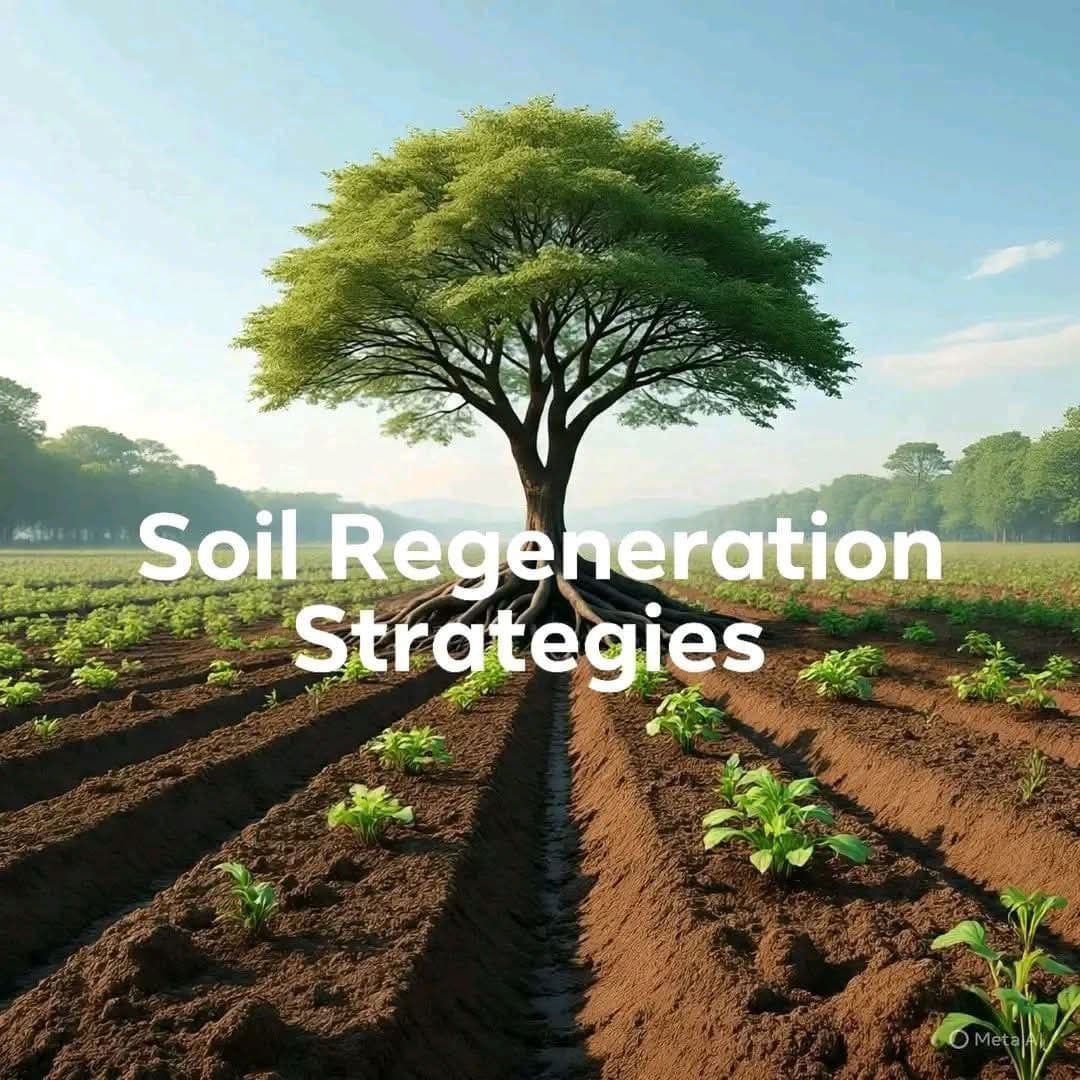
The situation mirrors broader trends in Southeast Asia, where food systems contribute approximately 5% of global greenhouse gas emissions. In response, Cambodia is turning to regenerative agriculture as a promising solution to reverse soil degradation and build a more climate-resilient and sustainable agricultural sector.
Regenerative agriculture practices—such as the use of cover crops, intercropping, and bio-fertilizers—have shown promising results in Cambodia. These methods not only restore soil health but also boost crop yields, reduce dependency on chemical inputs, and enhance resilience to climate shocks. According to recent data, such practices can offer both environmental and economic benefits, particularly for smallholder farmers.
Cambodia’s Ministry of Agriculture, Forestry and Fisheries (MAFF) has set an ambitious target to bring 30% of agricultural land under climate-smart production by 2030, a significant leap from the current estimated 5%. However, reaching this goal will require substantial investment, enhanced market linkages, and strengthened partnerships—especially with the private sector.
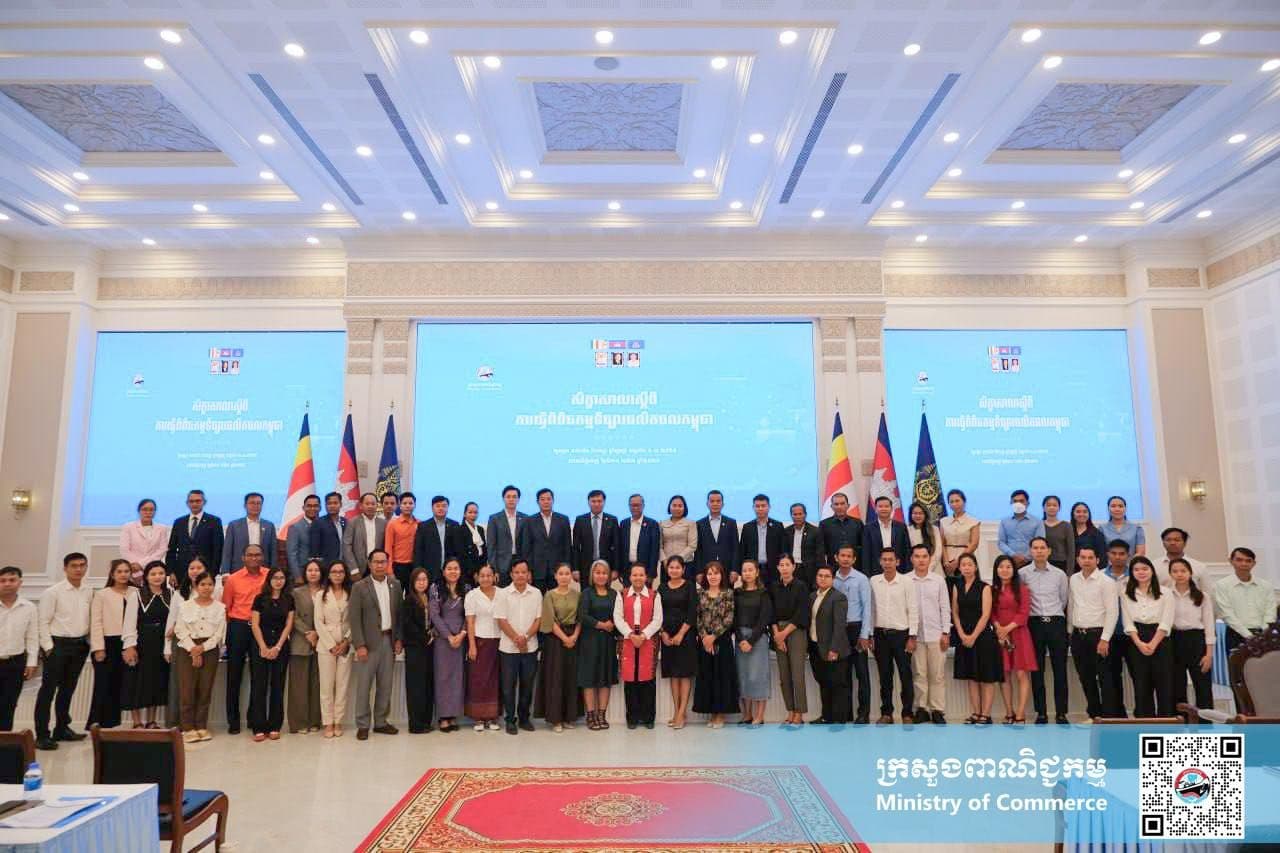
“There is a clear business case for regenerative agriculture,” said representatives from the forum held this week, which brought together stakeholders from government, private industry, and civil society. “But scaling it up means creating a shared vision, removing investment barriers, and ensuring the approach is inclusive—particularly for women and youth.”
The forum was organized under the UNDP–AFCIA-funded Innovation for Climate Acceleration Project (ICAP), implemented by Swiss INGO HEKS/EPER. The project focuses on scaling regenerative practices, especially among smallholder farmers, and promoting cover crops as a core adaptation strategy.
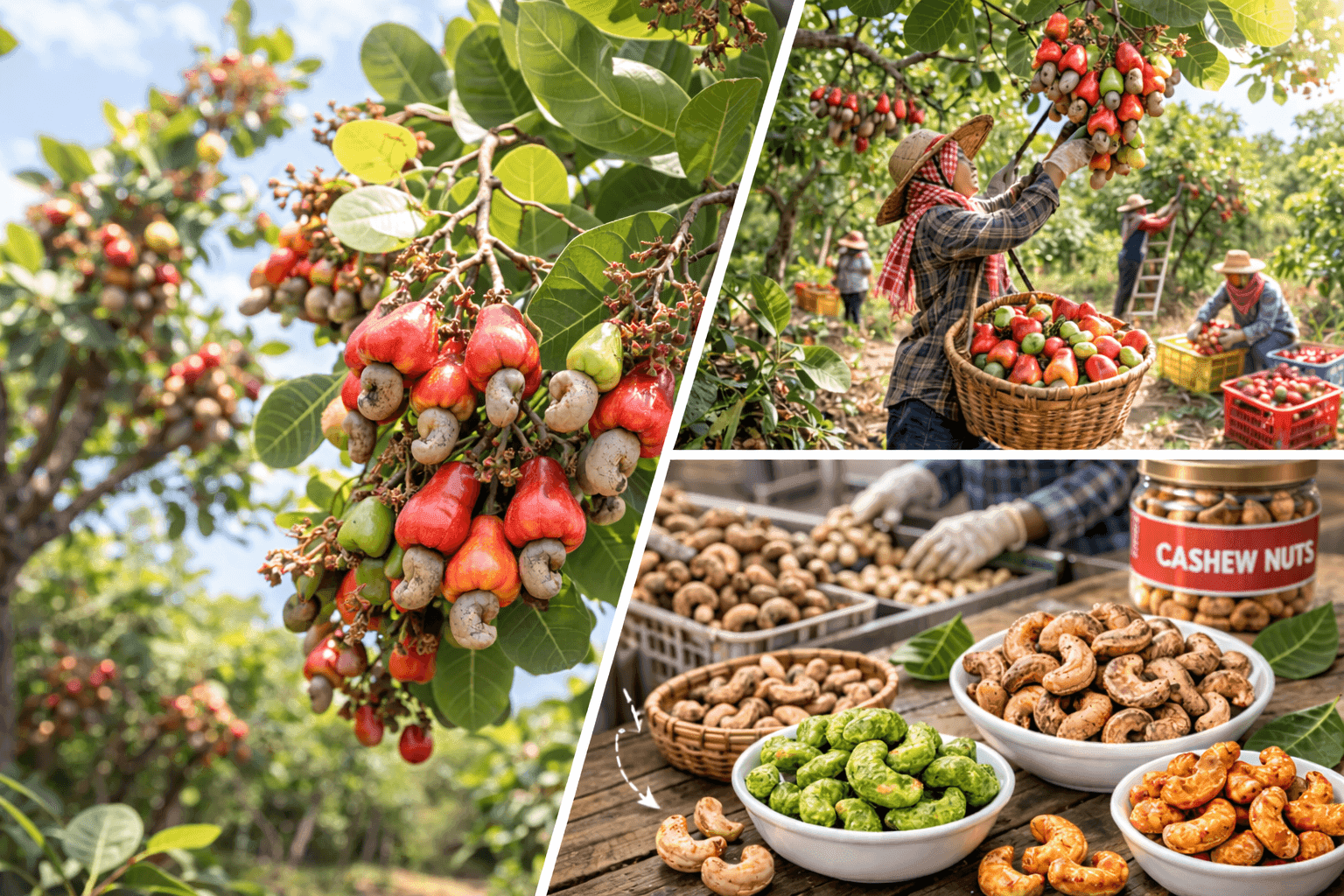
The Cashew nut Association of Cambodia (CAC) was among the participants, showcasing an innovative approach to environmental sustainability through cashew nut shell extract (CNSE). CNSE, a by-product of cashew processing, can be used as a biofuel alternative in industries and has shown potential to reduce methane emissions when mixed into cattle feed. Additionally, CNSE can be processed into biochar and organic fertilizer, offering low-cost, eco-friendly solutions to farmers.
Despite these promising developments, CAC noted that the adoption of regenerative techniques—such as cover crops and intercropping—in cashew farms remains limited due to financial constraints and lack of technical support.
As Cambodia looks to the future, stakeholders emphasize that regenerative agriculture is more than a trend—it is a necessity. With the right support, it could transform Cambodia’s food system into one that is not only more productive but also more equitable and environmentally sustainable