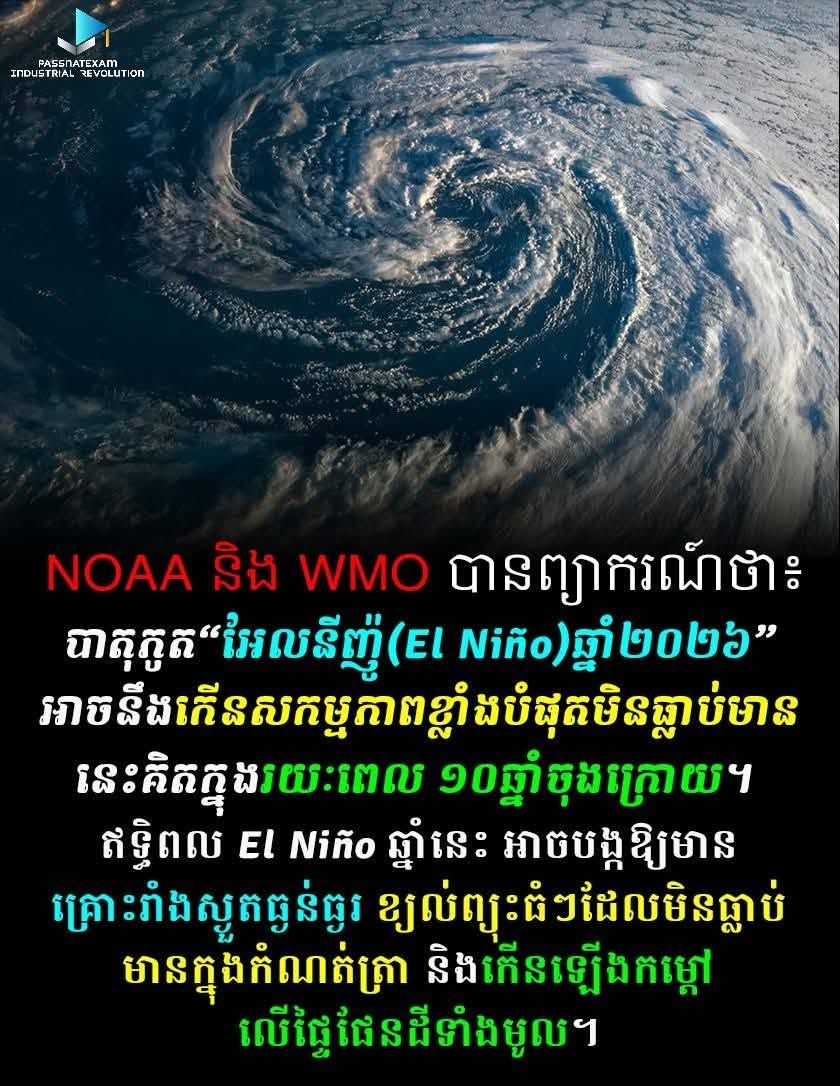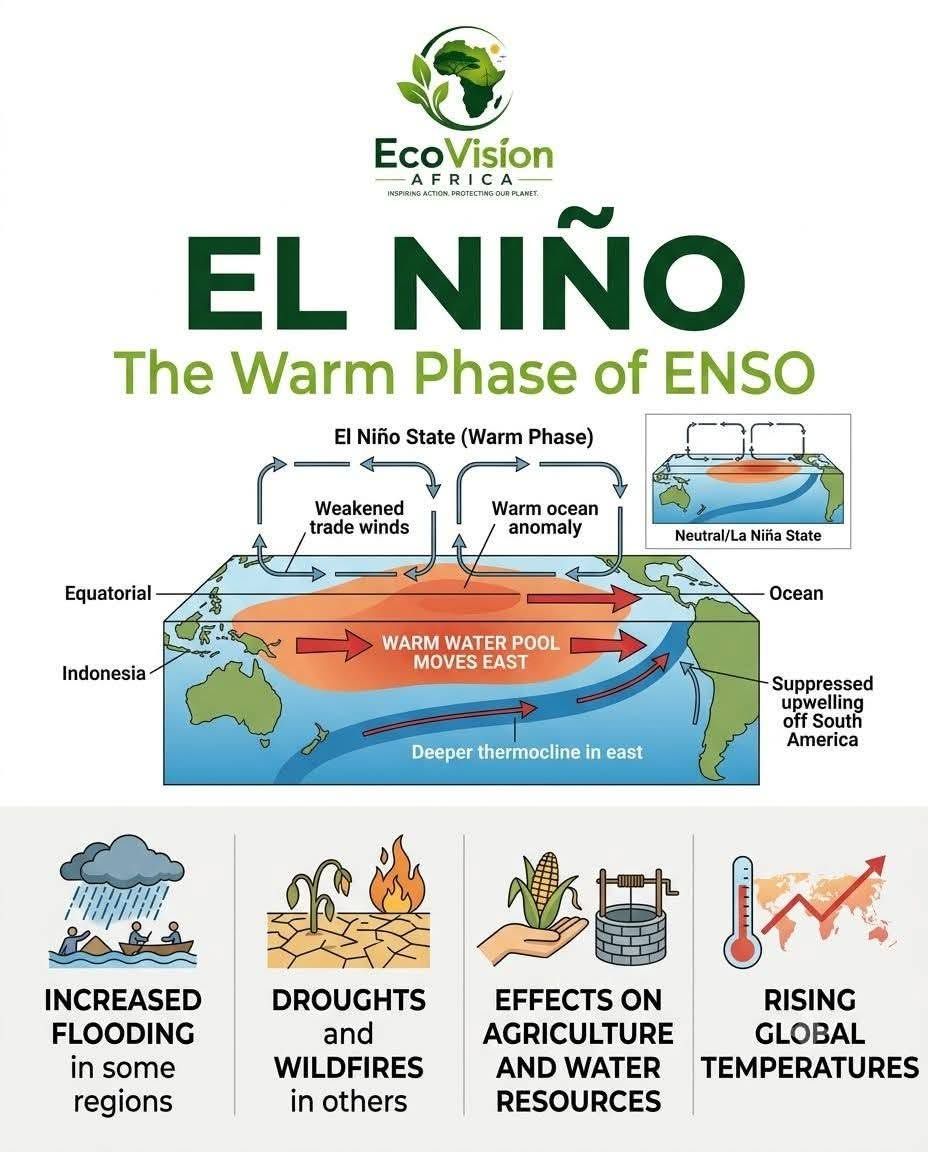

Phnom Penh, March 2026 — Cambodian agricultural stakeholders are closely monitoring forecasts of a potentially severe El Niño phenomenon that scientists warn could affect up to 63 percent of the globe between November 2026 and January 2027, bringing extreme heat and heightened risks to food production worldwide.
According to the U.S. National Oceanic and Atmospheric Administration (NOAA), rising sea surface temperatures in the Pacific Ocean indicate that El Niño conditions are strengthening and could contribute to one of the most significant climate-related heat events in recent history. Scientists project that the phenomenon may intensify further in 2027, creating unprecedented challenges for agricultural production in many regions.
Speaking on the potential impact on Cambodia, H.E. Khim Finan, Undersecretary of State and Spokesperson for the Ministry of Agriculture, Forestry and Fisheries, said current forecasts remain based on global climate models and that authorities are still assessing the likely effects on the country.
"The Ministry cannot yet determine the exact scale of the impact on Cambodia," he said. "However, we are closely monitoring developments and preparing appropriate response measures should the phenomenon affect Cambodia as severely as projected."
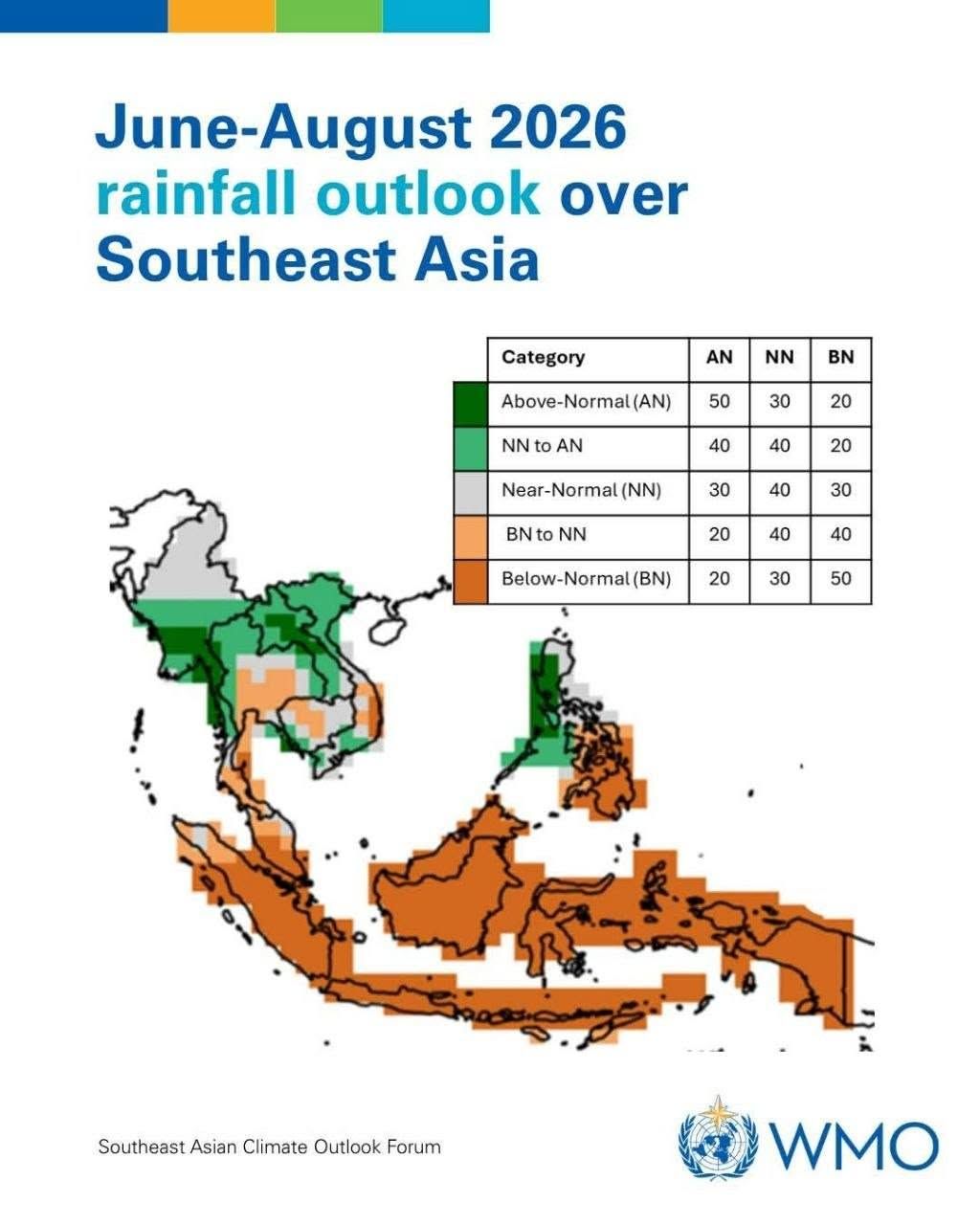
Agricultural experts have warned that prolonged periods of extreme heat and irregular rainfall could disrupt crop production, reduce yields and increase production costs for farmers.
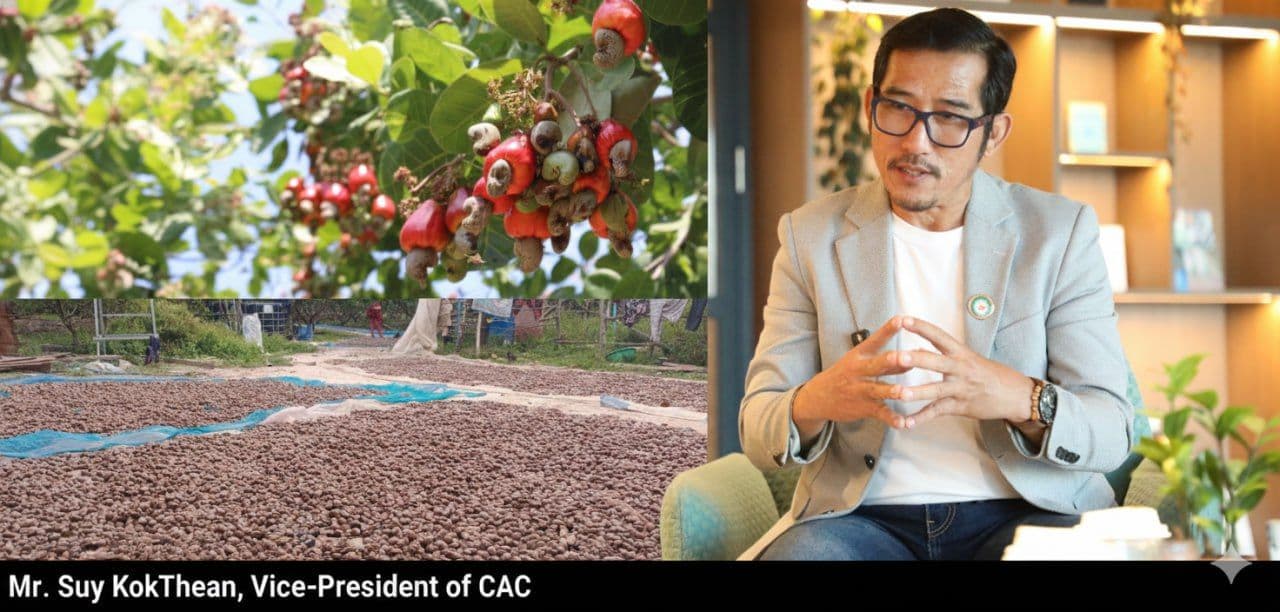
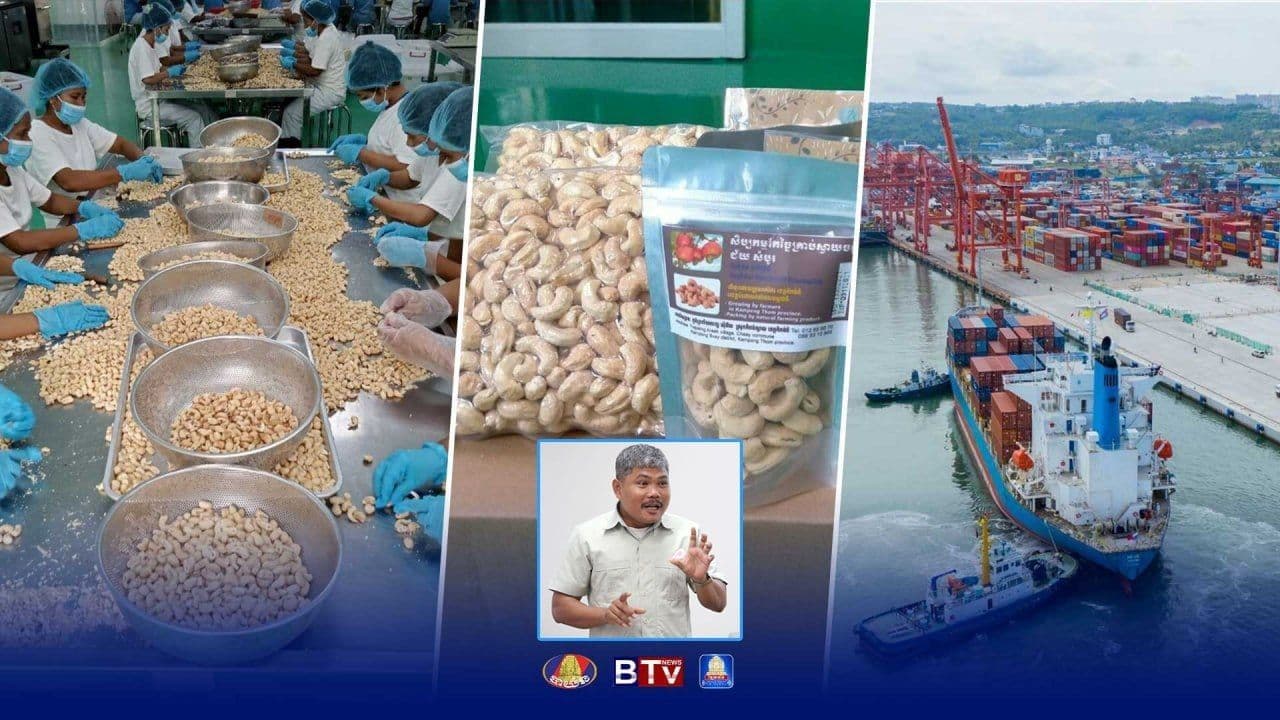
The cashew sector, one of Cambodia’s fastest-growing agricultural industries, is also preparing for potential challenges. Silot Uon, President of the Cashew Nut Association of Cambodia (CAC), said the expected El Niño conditions could affect the flowering stage of cashew trees, which would have direct implications for production during the 2027 harvest season.
"If El Niño occurs during the period from November to January, it may affect cashew flowering and subsequently impact yields harvested in March," he said.
To strengthen preparedness, the Cashew Nut Association of Cambodia plans to organize climate adaptation programs for member farmers during June, July and August. The initiative will focus on helping producers adopt strategies to mitigate climate-related risks and improve resilience against extreme weather conditions.
CAC officials said the training sessions will encourage farmers to improve water management practices, monitor orchard conditions more closely and adopt climate-smart farming techniques to reduce potential losses.
According to NOAA data, El Niño is currently active in the Pacific Ocean, where sea surface temperatures have risen significantly. Climate experts warn that the phenomenon could expand further and contribute to more severe heatwaves, droughts, and weather disruptions across multiple continents.
Scientists caution that if current trends continue, the upcoming El Niño episode could become one of the most powerful climate events since modern records began in 1950, posing significant challenges for global agriculture, food security, and rural livelihoods.
As uncertainty surrounding the climate outlook grows, Cambodian authorities and industry leaders are urging farmers to remain vigilant and prepare early to safeguard production and strengthen resilience against the potential impacts of extreme weather.
Reference: Cambonomist