The Phnom Penh Post, by Hin Pisei
Investors operating directly in Cambodia receive extensive incentive packages from the Royal Government. To support them, Cambodia has established a Government–Private Sector Forum, an effective mechanism for maintaining investment, enhancing cooperation and providing confidence to foreign investors.
This was detailed by Suon Sophal, deputy secretary-general of the Cambodian Investment Board, under the Council for the Development of Cambodia (CDC), as he addressed the Cambodia Agriculture Forum and Expo (CAFE25).
The event was organised by the Ministry of Agriculture, Forestry and Fisheries in cooperation with the UN Food and Agriculture Organization (FAO), development partners and several other government institutions.
The forum took place at the Koh Pich Convention and Exhibition Center on November 13. In attendance were Ouk Rabun, Minister Attached to the Prime Minister and Chairman of the Agriculture and Rural Development Rehabilitation Council, Hem Vandy, Minister of Industry, Technology and Innovation and Derek Yip, Australian ambassador to Cambodia, as well as representatives of relevant ministries and institutions, development partners, the private sector and approximately 1,200 Cambodian farmers.
During the roundtable discussion “Supplying the Rising Domestic and Export Markets: Opportunities in Cambodia’s Agrifood Sector”, Sophal discussed the investment landscape, incentive packages and investment in innovative and sustainable sectors under Cambodia’s Investment Law.
He highlighted the effectiveness of dialogue between the government and the private sector, especially with potential investors from countries such as China, Japan, South Korea and the US, as well as European nations.
“The Government–Private Sector Forum is an effective mechanism for maintaining investment, enhancing warmth, and building strong confidence among investors to continue expanding their activities,” he explained.
He also mentioned CDC support through country-specific and sector-specific investment desks, which provide reliable services to investors and businesses, as well as the implementation of the Cambodia Investment Project Management System, which helps accelerate the registration process.
“I encourage local producers to register and use the Supply Chain Traceability Data System (SD2) aimed at strengthening supply chain traceability in cooperation with foreign investors,” he added.
Silot Uon, president of the Cashew nut Association of Cambodia, told The Post on November 17 that the Kingdom’s investment policies and laws offer significant benefits to both local and foreign investors. In the agricultural sector, he noted, there are many specific incentives for direct investment.
“Under this Investment Law, investors in agriculture, agro-processing and agri-food production will be eligible for exemptions on tax on profits for up to nine years. After that period, companies continue to receive partial tax reductions for an additional six years. In total, agricultural investors can receive tax incentives for up to 15 years.” He explained.
He added that the government has exempted import taxes on machinery, processing equipment, agricultural fertilisers, seeds and other essential inputs for agricultural production. Moreover, direct purchases of agricultural products from farmers are exempt from withholding tax and value-added tax (VAT), a measure aimed at strengthening the link between processors and producers.
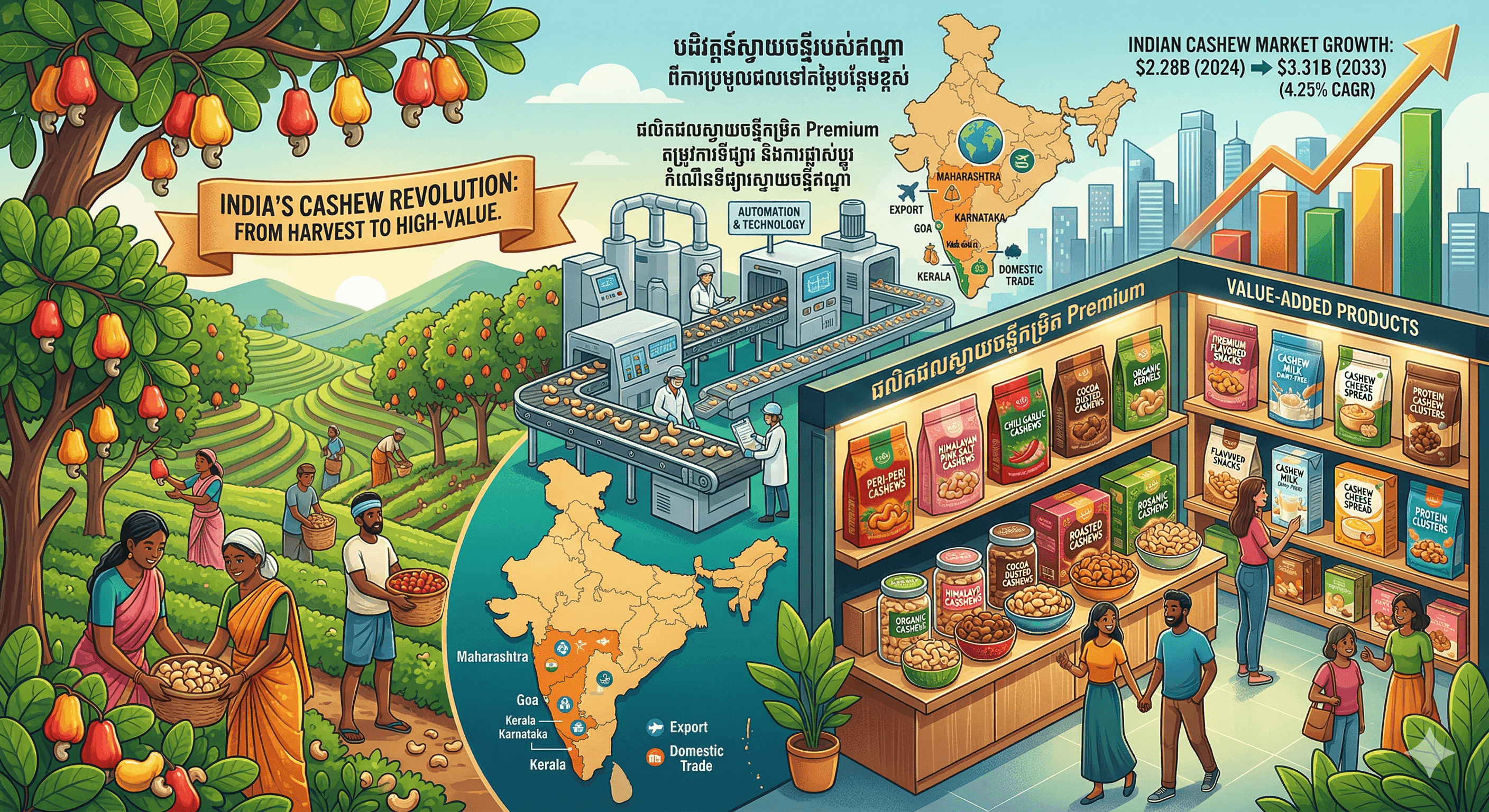
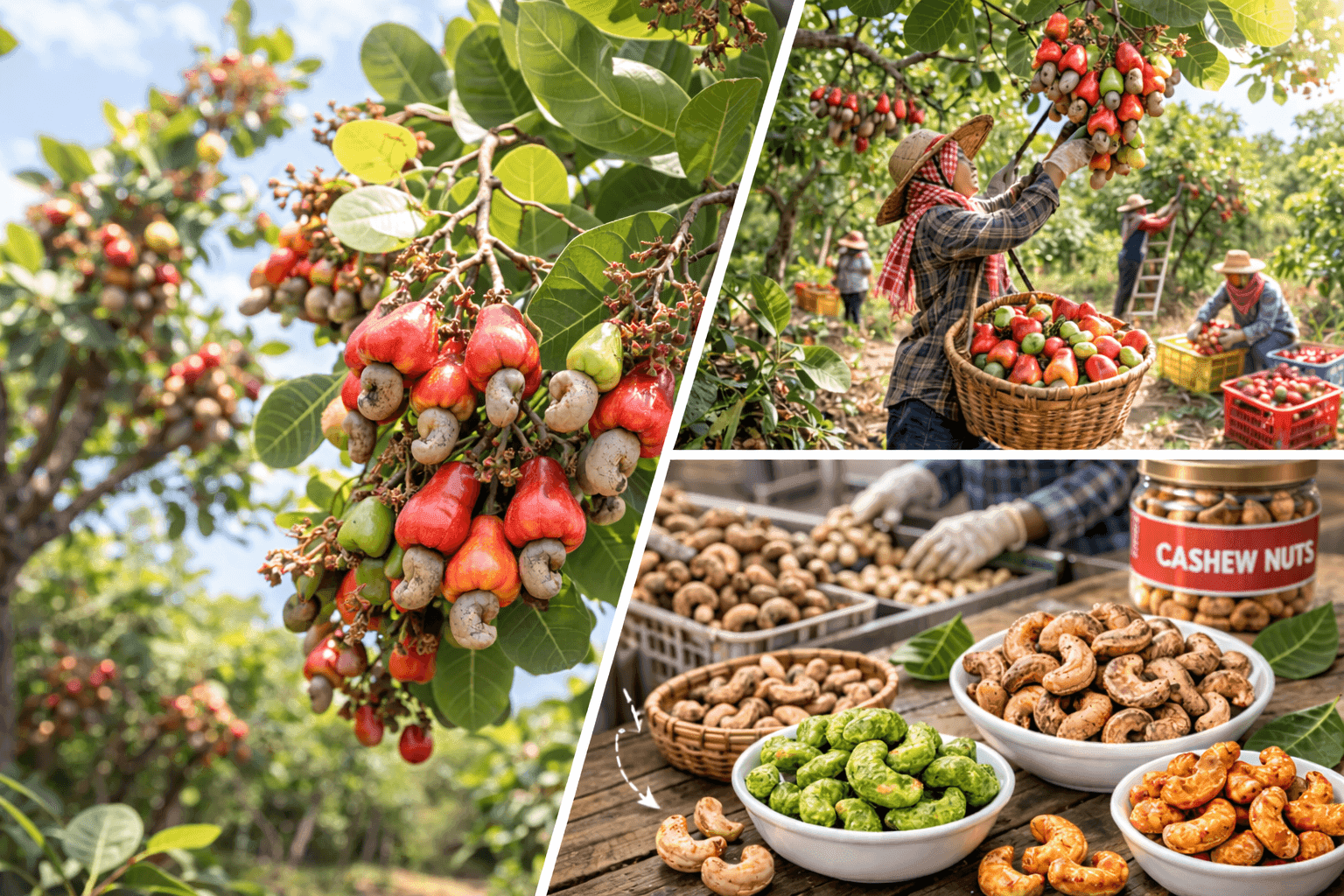
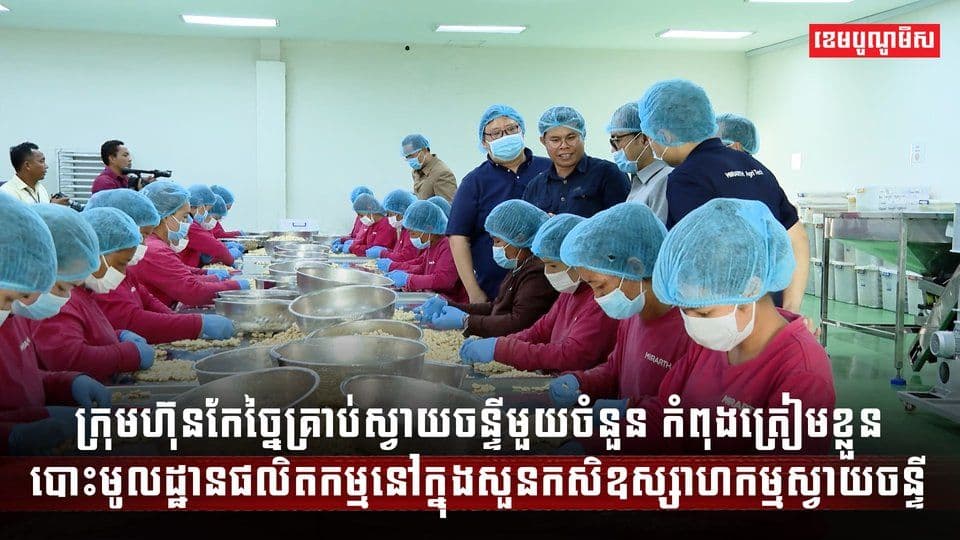
Regarding cashew production, Silot confirmed that the government plans to establish a Cashew Industrial Park (CIP) in Kampong Thom province, covering an area of 400 hectares. The park will provide land for cashew processing factories and by-product manufacturing facilities, along with improved infrastructure and eligibility for QIP+ (Qualified Investment Project Plus) status.
“I hope this comprehensive QIP+ package will accelerate Cambodia’s transition from exporting raw cashew nuts to exporting finished products with higher added value. This will help Cambodia become more competitive in the regional and global agri-food markets in the future,” he noted.