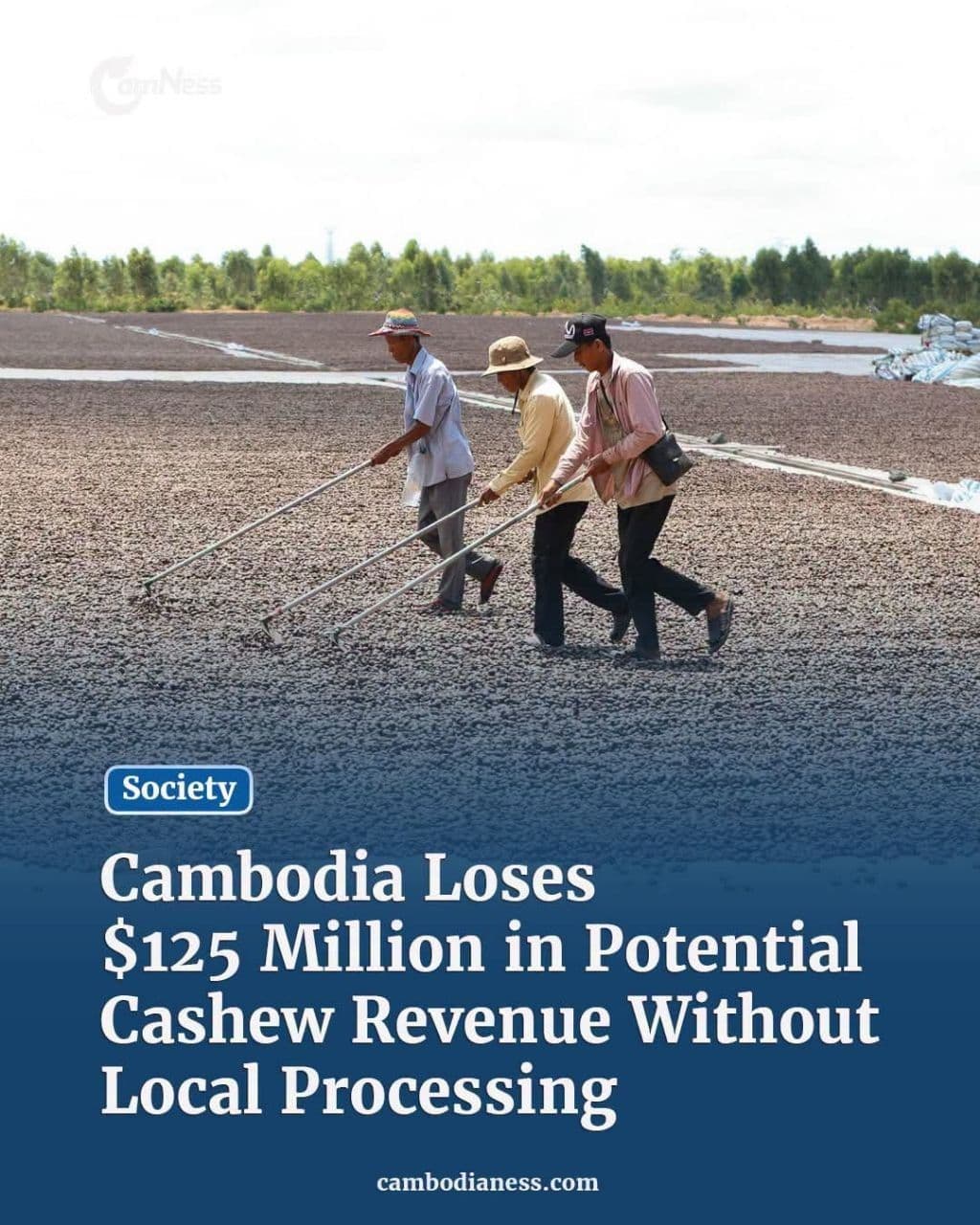
PHNOM PENH — Cambodia is one of the world’s biggest cashew producers, but the country captures only a fraction of the crop’s value because it lacks the capacity to process most of what it grows, costing the economy more than $125 million in potential revenue each year, according to the Australian Embassy in Phnom Penh.
In an August 7 statement, the embassy said Cambodia processes only about 5 percent of its cashew nuts domestically, with the rest exported raw. That leaves farmers and traders exposed to price fluctuations determined largely by buyers and processors in overseas markets.
“Without local processing, Cambodia loses over $125 million each year in potential revenue, while farmers and traders remain vulnerable to unstable market prices,” the embassy said.
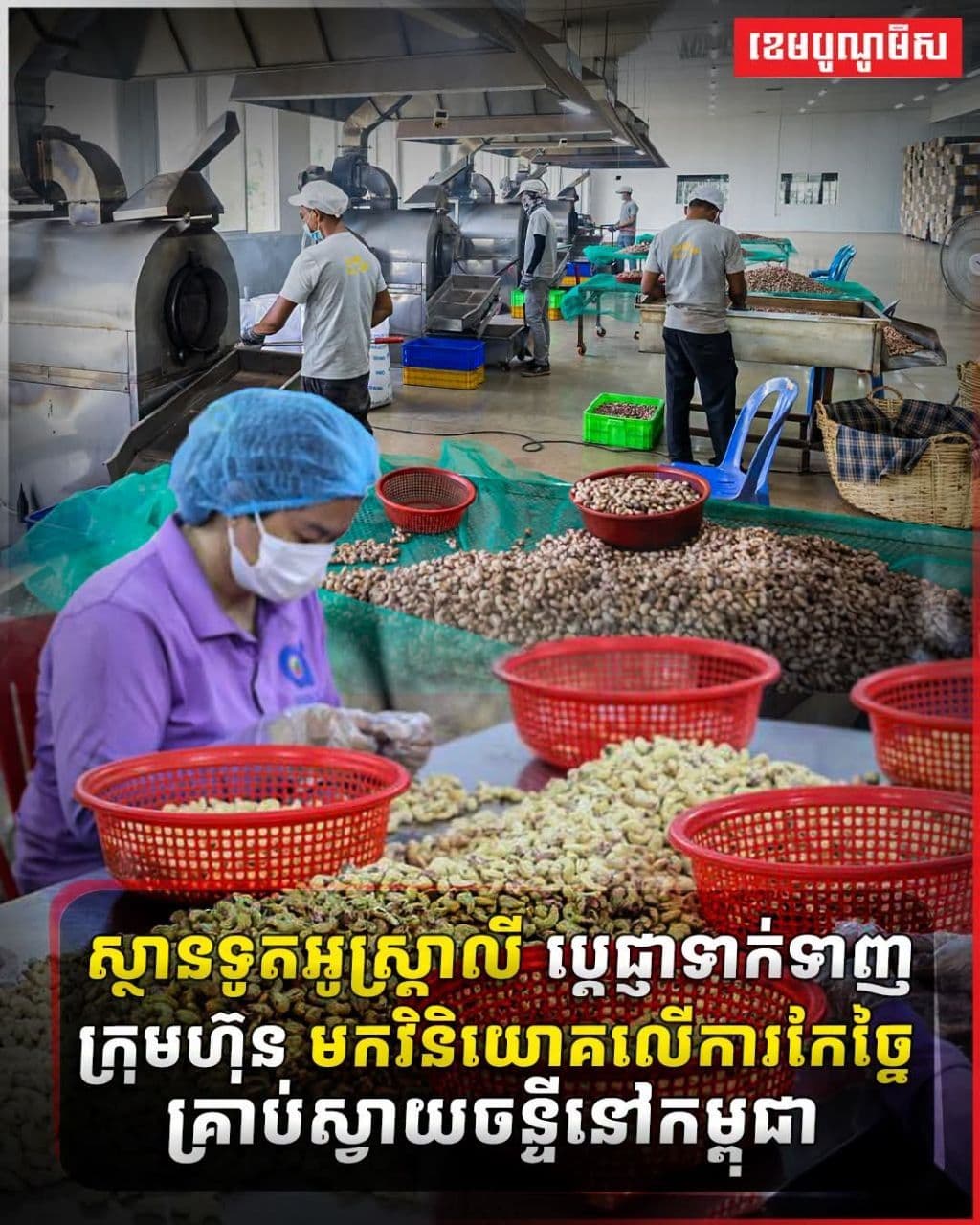
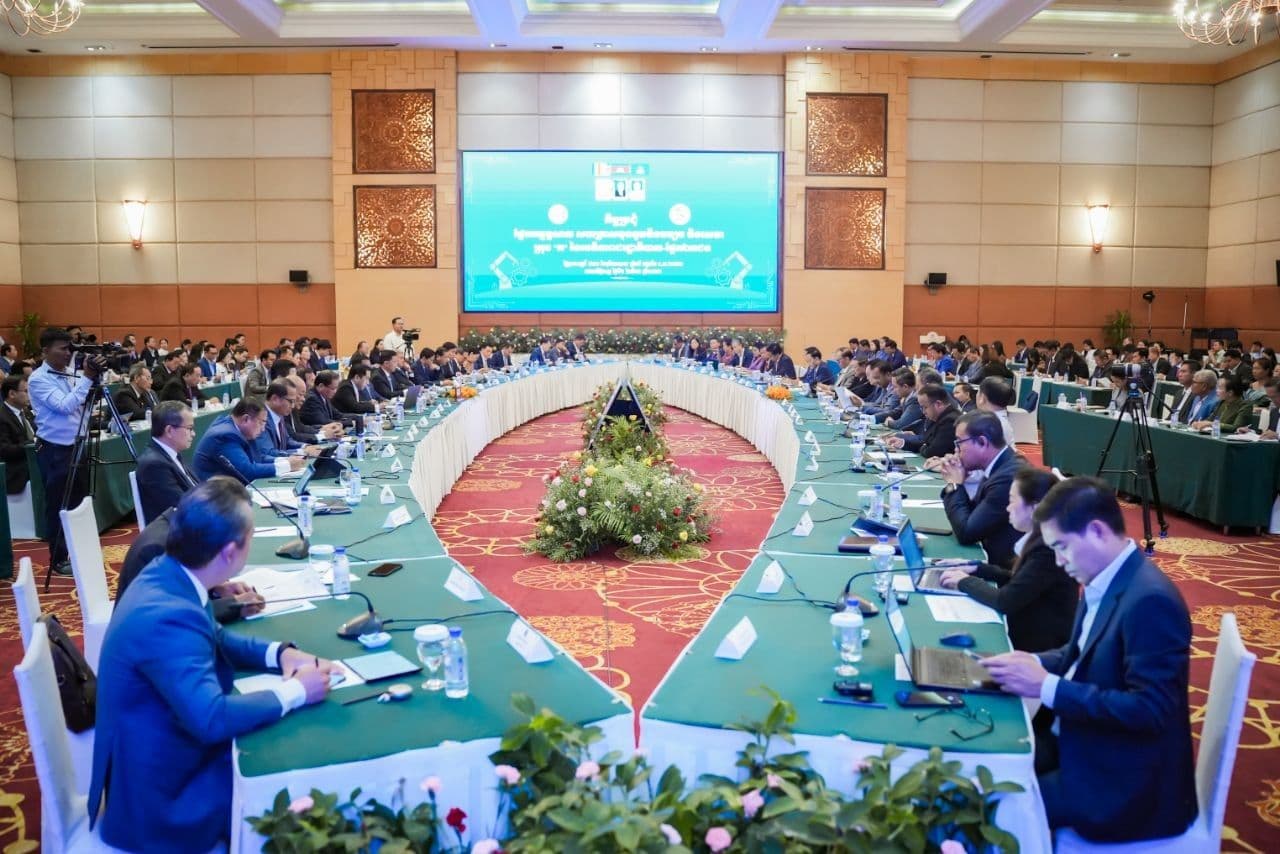
Australia is now backing a partnership with Olam Food Ingredients (ofi), a global agribusiness that controls an estimated 20-25 percent of the global cashew market, to expand Cambodia’s processing capacity.
The partnership aims to add 80 metric tonnes of processing capacity per day and mobilize up to $10 million in investment in the sector.
“Australia is committed to attracting quality investments that create jobs and support businesses, helping Cambodia become economically strong and prosperous,” the embassy said.
Uon Silot, president of the Cashew Nut Association of Cambodia (CAC), said the country’s processing capacity remains far below what is needed. “[Processing capacity] is really low,” Silot said in an interview on August 7.
Silot said he hopes a planned government agro-industrial park, along with tax incentives for qualified investment projects (QIPs), will help attract more investors into cashew processing.
“We are waiting for the park establishment, which consists of qualified investment projects and other incentives from the government [for investors],” he said.
According to an unofficial CAC survey, Cambodia has 52 cashew processing enterprises nationwide. Only six operate at medium scale, with the capacity to process between 7,000 and 14,000 tonnes of raw cashews annually. The country has no large-scale processing facilities, while Kampong Thom and Kampong Cham provinces host the largest operations.
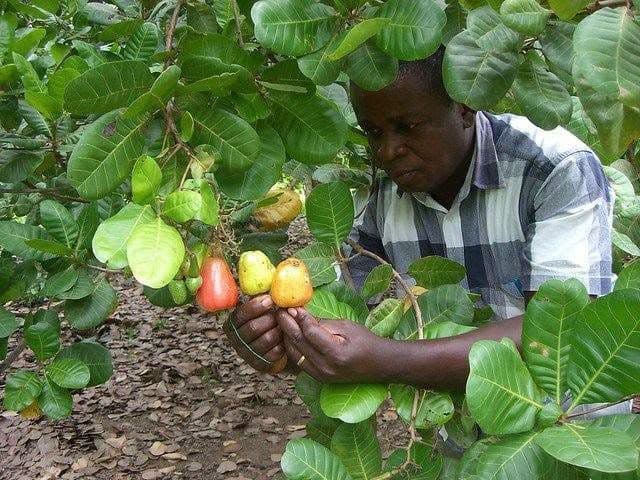
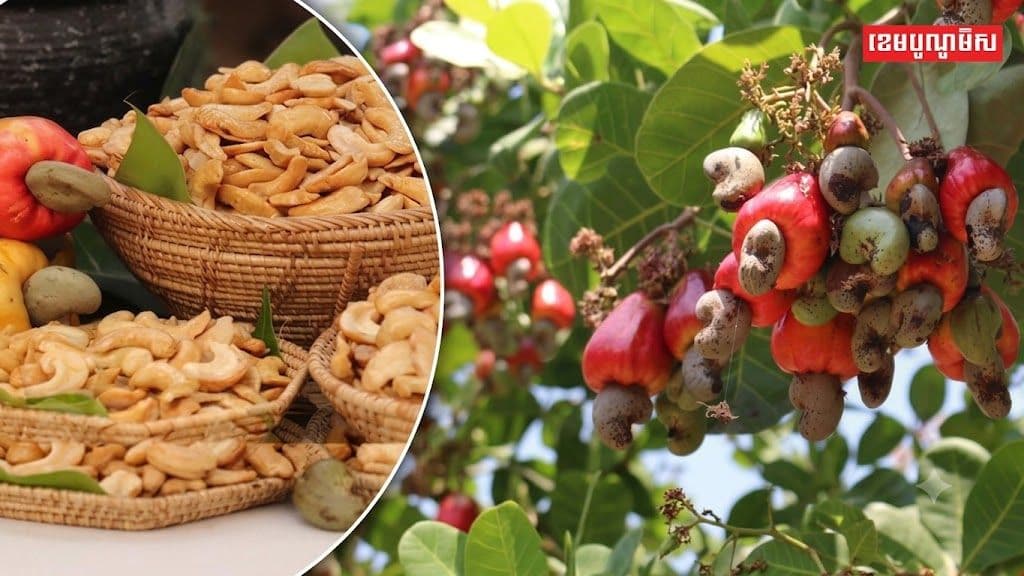
The lack of processing capacity is significant because cashew has been identified as a priority crop under Cambodia’s agricultural diversification strategy. In 2024, cashew plantations covered 580,117 hectares nationwide, with an estimated annual production capacity of 816,459 tonnes.
The CAC reported that Cambodia exported 1.03 million tonnes of raw cashew nuts, generating approximately $1.75 billion in revenue — a 28.9 percent increase from the same period last year.
The figures highlight the gap Cambodia is trying to close: producing more cashews is only part of the equation. Expanding domestic processing would allow more of the crop’s value to stay in Cambodia, while creating opportunities for investment, jobs and higher-value agricultural exports.
Originally written in Khmer for ThmeyThmey, this story was translated by Meng Seavmey for Cambodianess.