The Royal Government of Cambodia is accelerating its transition from exporting raw materials to producing finished and value-added products, aiming to boost economic resilience and reduce reliance on imports by prioritizing domestic production.
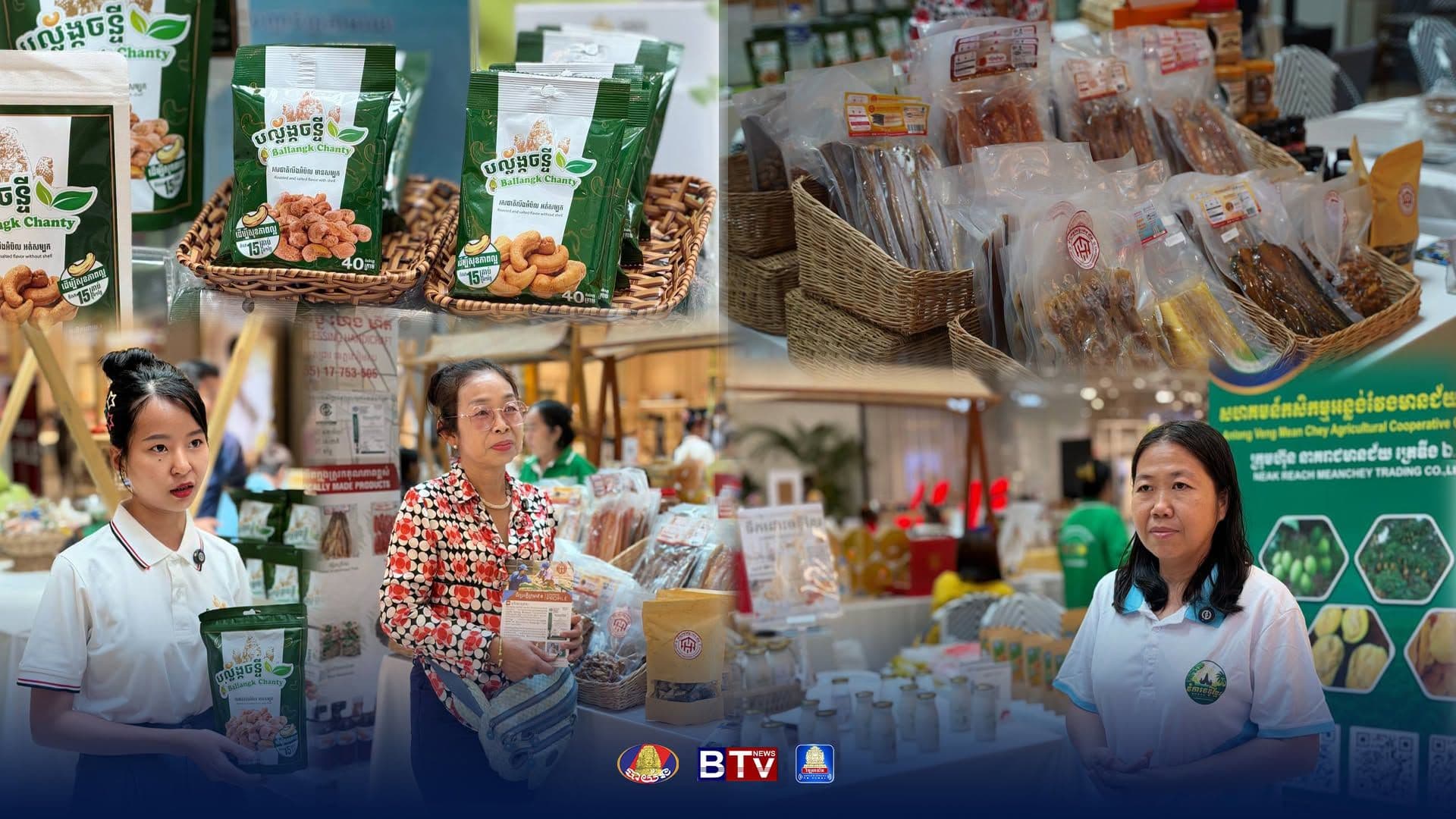
In practice, a representative of a cashew milk handicraft processing business stated that processing cashew nuts into milk not only increases product value but also creates a new option for consumers, allowing Cambodian products to compete more effectively in the market.
Similarly, a representative of a cashew processing handicraft enterprise mentioned that domestic processing can increase product value significantly more than selling raw materials, while also strengthening the local production chain and creating jobs for people in local communities.
In the same vein, the owner of a fish processing handicraft business asserted that transforming fresh fish into finished products extends shelf life, increases added value, and meets broader market demands, which helps boost income for both producers and fishermen.
Notably, the growth of these processing handicrafts is seen as a positive sign of Cambodia's economic structural shift from raw material exports to value-added finished product manufacturing. This aligns with the Royal Government's goal to strengthen economic resilience and promote the consumption of local products.
Hun Manet, Prime Minister of Cambodia, stated during the official inauguration ceremony of a rubber processing factory in Tboung Khmum Province on May 27, 2026, that the Royal Government has been pushing for the implementation of agricultural policies and action plans to boost the processing of agricultural goods. The objective is to transform from exporting entirely raw materials toward processing domestic raw materials into semi-finished and finished products to supply the domestic market and serve exports.
Reference: BTV News