
CAC News
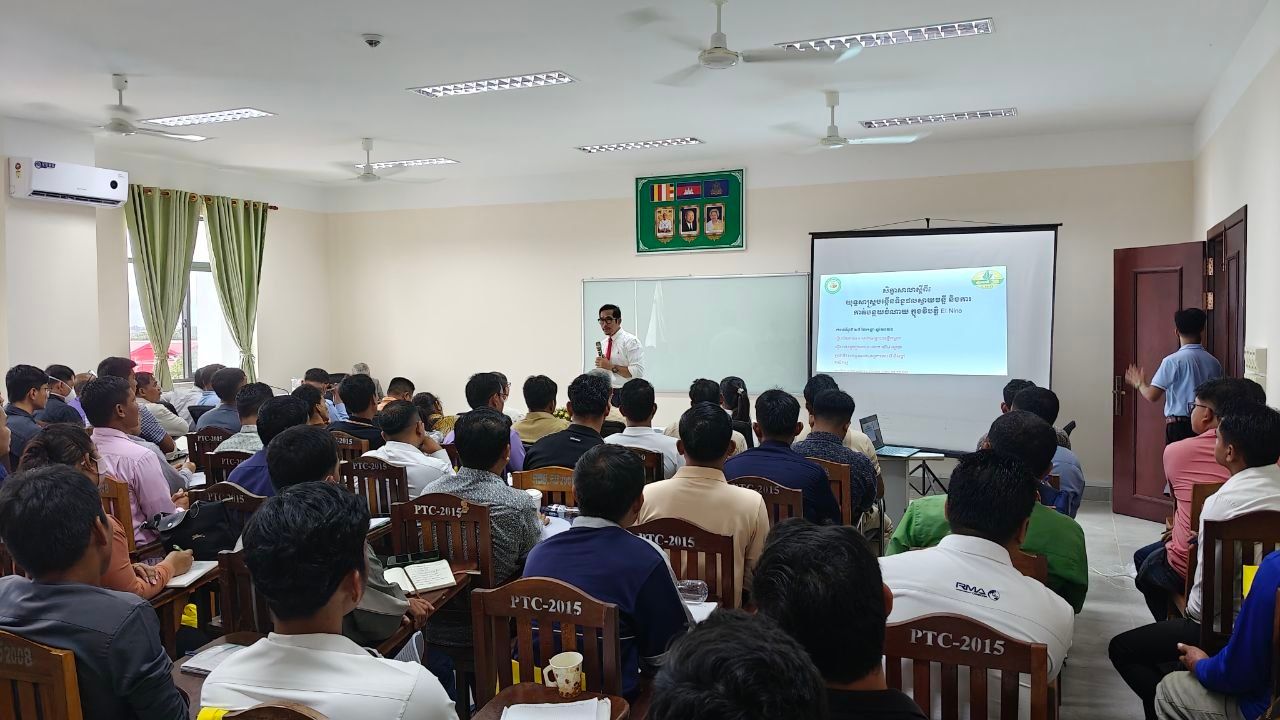
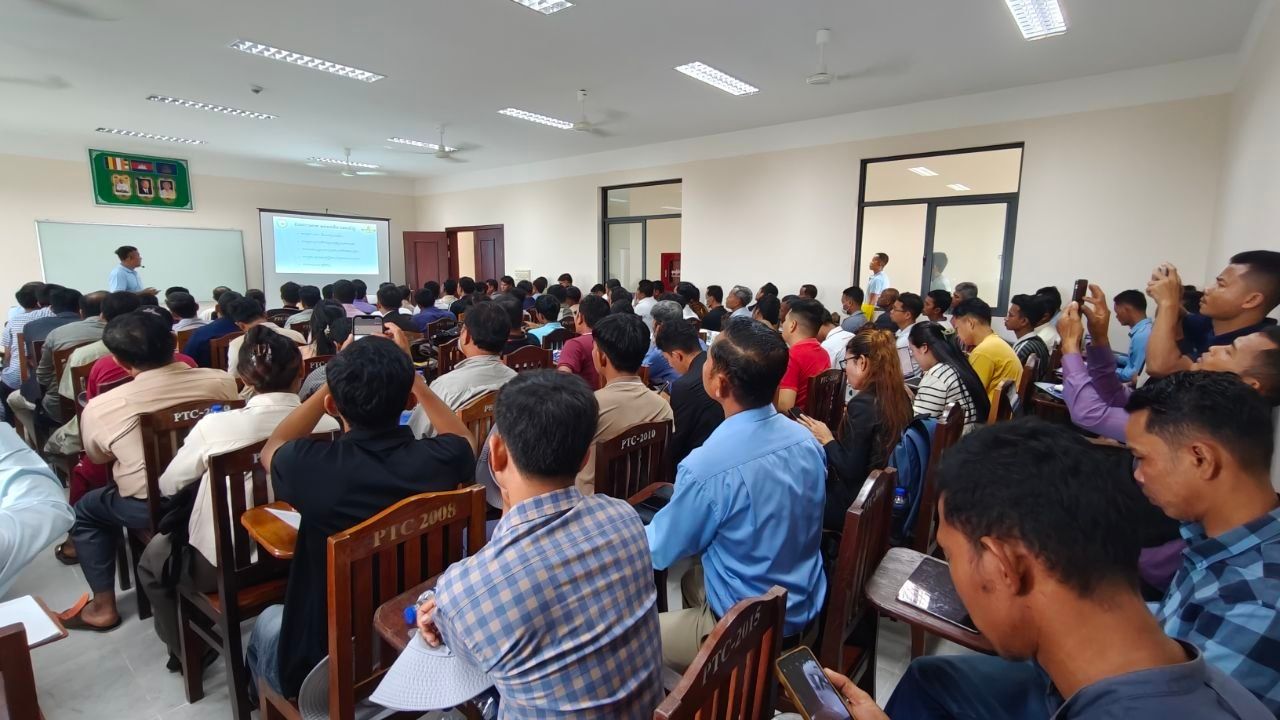
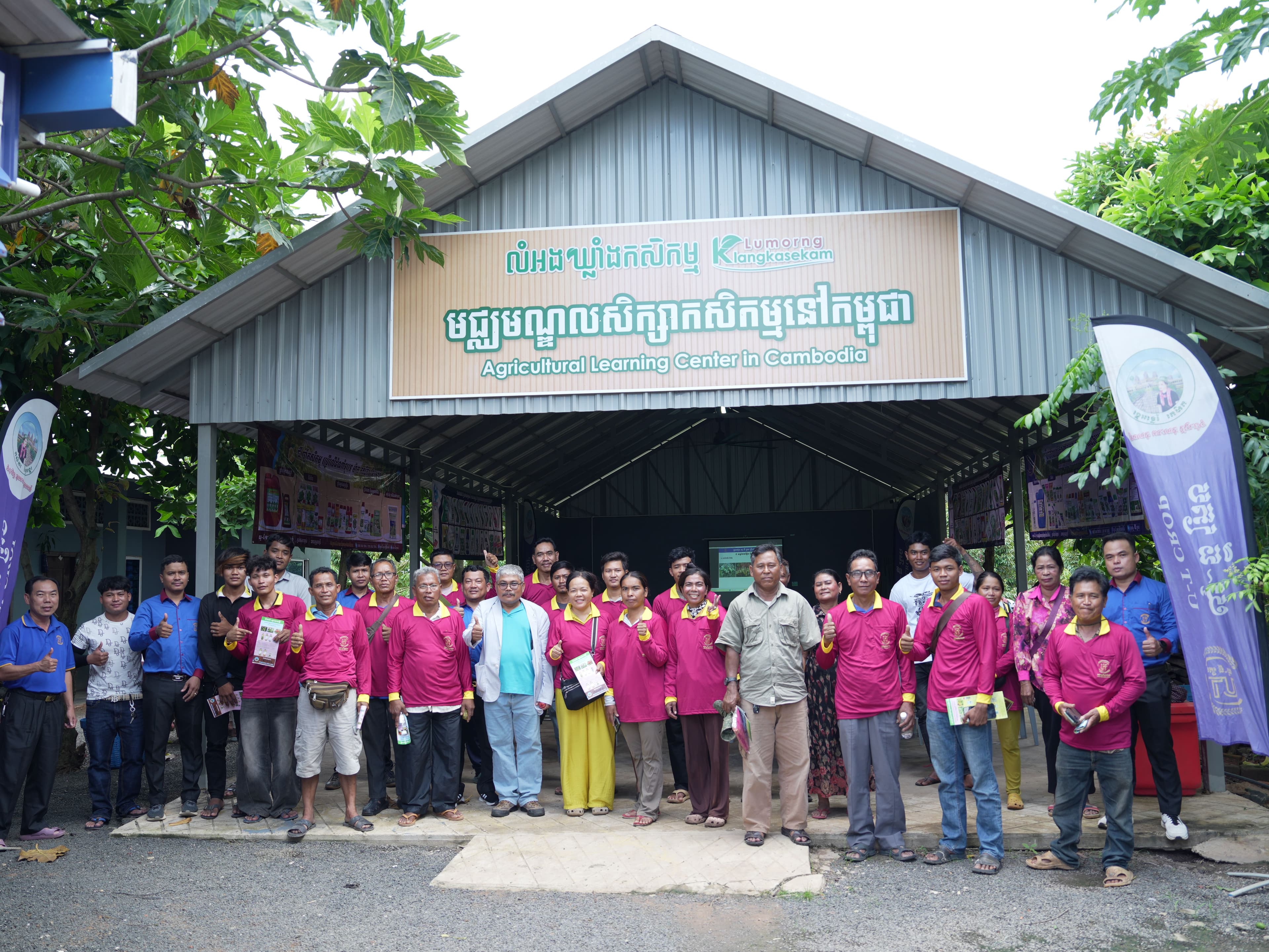
KAMPONG THOM, Cambodia, Sept. 25, 2026 — The Cashew Nut Association of Cambodia (CAC) conducted a technical training workshop for 136 cashew farmers from nine provinces and municipalities, focusing on modern farming techniques, efficient input use and climate-resilient production.
The workshop, held at the Polytechnic Institute of Kampong Thom (PIKT), aimed to strengthen farmers’ technical knowledge, improve farm efficiency, reduce unnecessary production costs and support higher cashew yields.
The training was part of CAC’s farmer capacity-building program, which plans to conduct 40 training sessions for farmers across 10 provinces. It was the 32nd farmer training session organized through CAC’s head office, in cooperation with LRD Co., Ltd. CAC is also conducting training activities in Ratanakiri province in cooperation with Agro Pharmacy Co., Ltd. and the provincial Department of Agriculture, Forestry and Fisheries, with technical experts contributing to the sessions.
Training sessions focused on modern agricultural equipment and drones, digital farm management, crop growth and care, efficient application of fertilizers and agrochemicals, and measures to prepare for climate-related risks, including El Niño conditions.
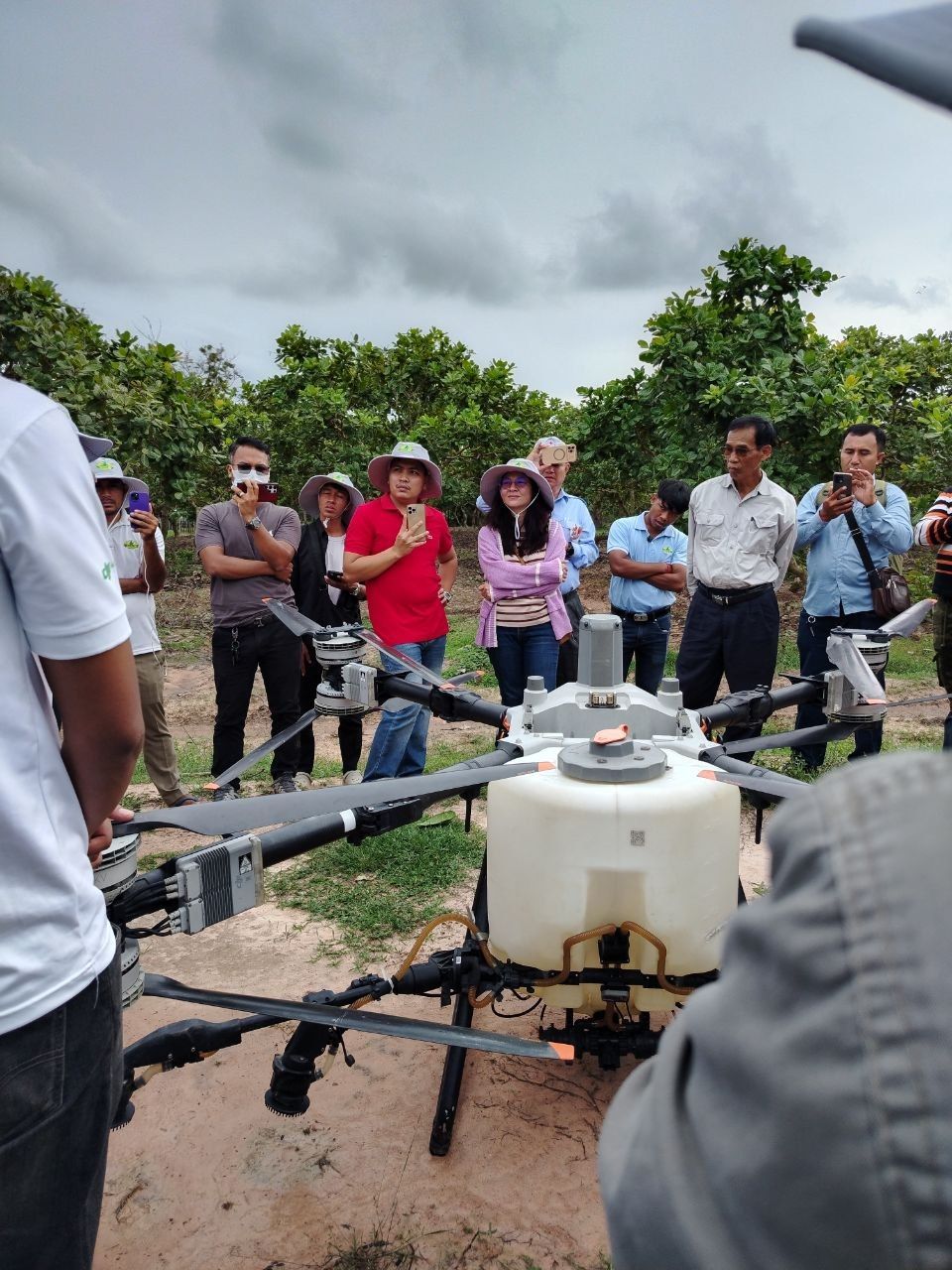
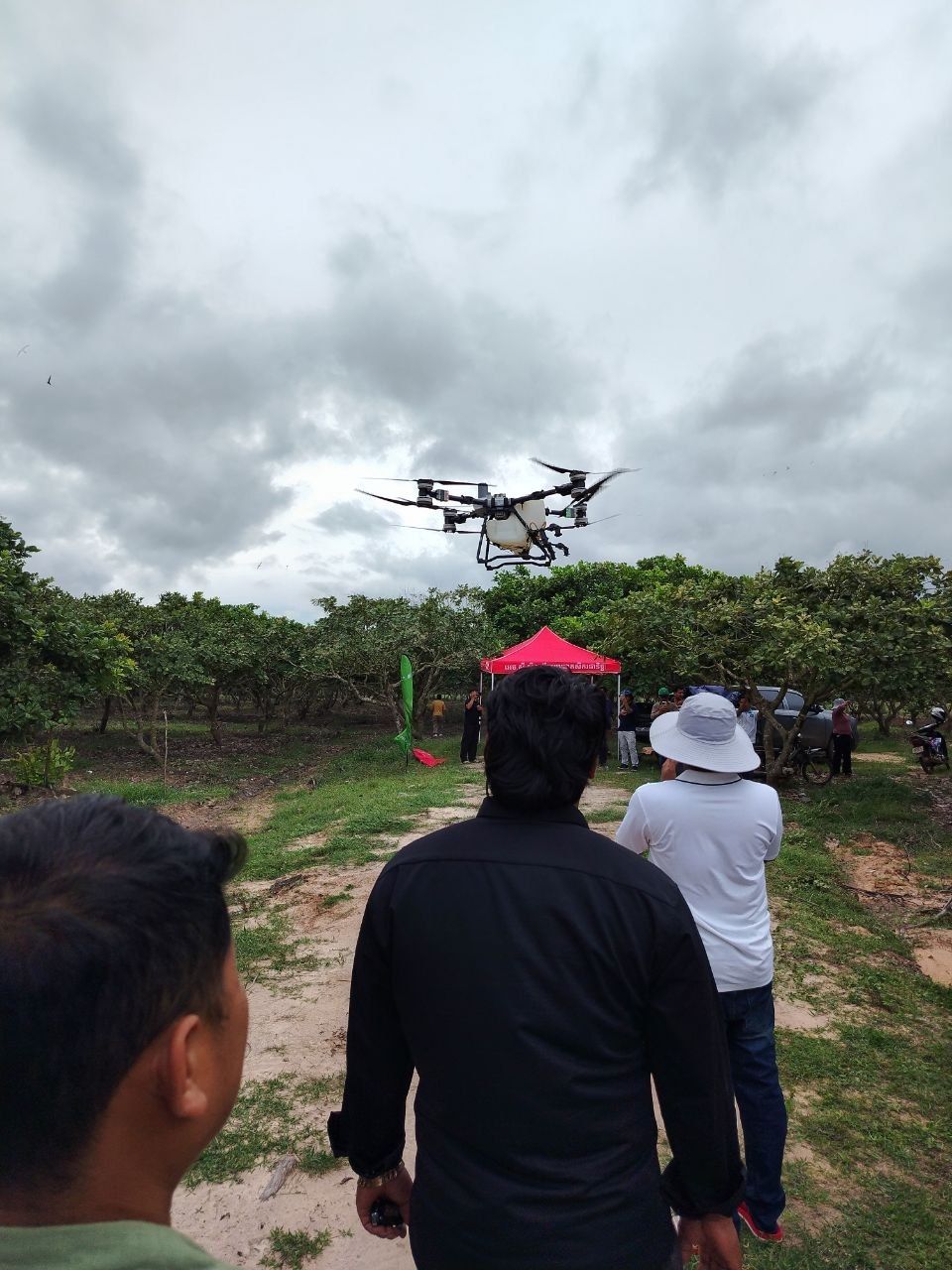
Experts demonstrated how agricultural drones can be used to improve farm efficiency and reduce labour and operational costs. Farmers also learned about the proper preparation and mixing of agricultural chemicals for drone application, as well as the differences between drone-based application and conventional tractor-mounted spraying.
Particular attention was given to climate adaptation measures such as mulching and soil-moisture conservation, precision irrigation, reducing water loss through plant transpiration, timely pest monitoring and control, and fire prevention in cashew orchards.
Pest and disease management was another major component of the training. Experts discussed powdery mildew, which commonly occurs between December and February under conditions of high relative humidity and can affect cashew inflorescences and young fruitlets.
Farmers were also introduced to nine major pest groups affecting cashew production, including leaf miners, leaf rollers, stem borers, inflorescence and fruit borers, tea mosquito bugs, thrips, cashew stem and shoot weevils, mealybugs, and tree hopper or weaver ant bugs.
The training emphasized identifying seasonal pest patterns, recognizing symptoms at an early stage and applying appropriate management measures before pest and disease problems result in significant production losses.
During interactive discussions, farmers highlighted several challenges affecting cashew production, particularly drought and unpredictable weather conditions that can affect shoot development, flowering and yields.
Participants also raised concerns about limited access to reliable technical information and agricultural extension services, as well as inappropriate use of fertilizers and agrochemicals. Silot, chairman of CAC, noted that applying inputs without adequate technical guidance can increase production costs without necessarily improving crop performance.
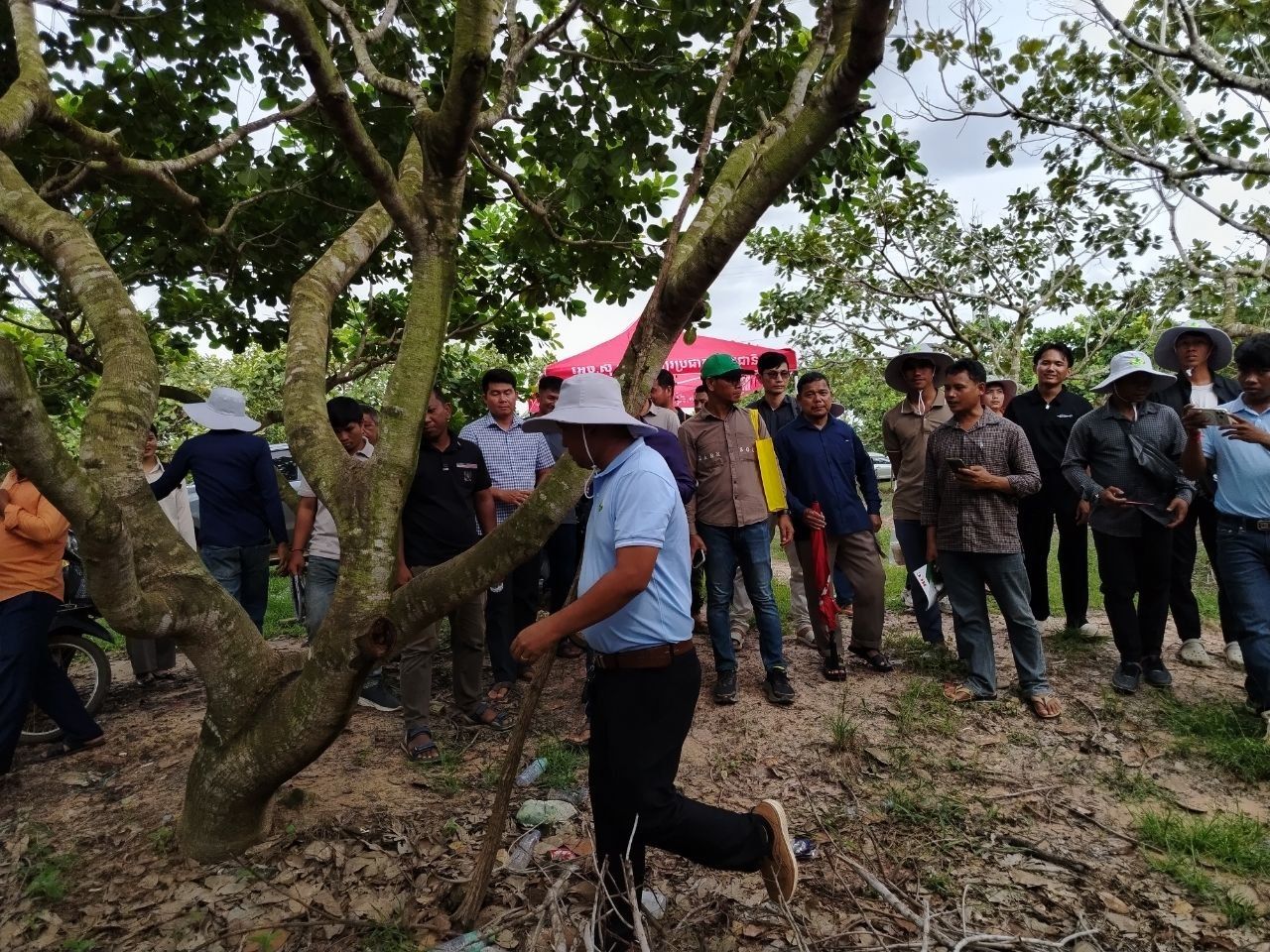
In the afternoon, farmers participated in practical field demonstrations of agricultural drone operations and drone-specific chemical mixing techniques. The hands-on activities allowed participants to observe the operation of agricultural drones and better understand their application in modern cashew farm management.
Silot said the training provided farmers with practical knowledge on improving input efficiency, managing climate-related risks, identifying pests and diseases, and adopting modern agricultural technologies.
Chhim Vantha, an expert from LDR, also emphasized the importance of continued farmer capacity building in climate-resilient production, integrated pest and disease management, mechanization, digital agriculture and efficient input management.
Further technical support and follow-up activities at the community and farm levels will be important to help farmers apply the knowledge gained during the training, monitor results, and respond to emerging production challenges.
Suy KokThean, Vice-president of CAC, said such continued support can contribute to reducing unnecessary input costs, improving productivity, and strengthening the resilience and profitability of Cambodia’s cashew farming sector.