CAC News
Kampong Thom, July 26, 2026 — The Cashew Nut Association of Cambodia (CAC) has conducted the second of its five scheduled farmer training sessions, equipping cashew growers with climate adaptation strategies and integrated pest management techniques in preparation for a forecast Super El Niño expected later this year.
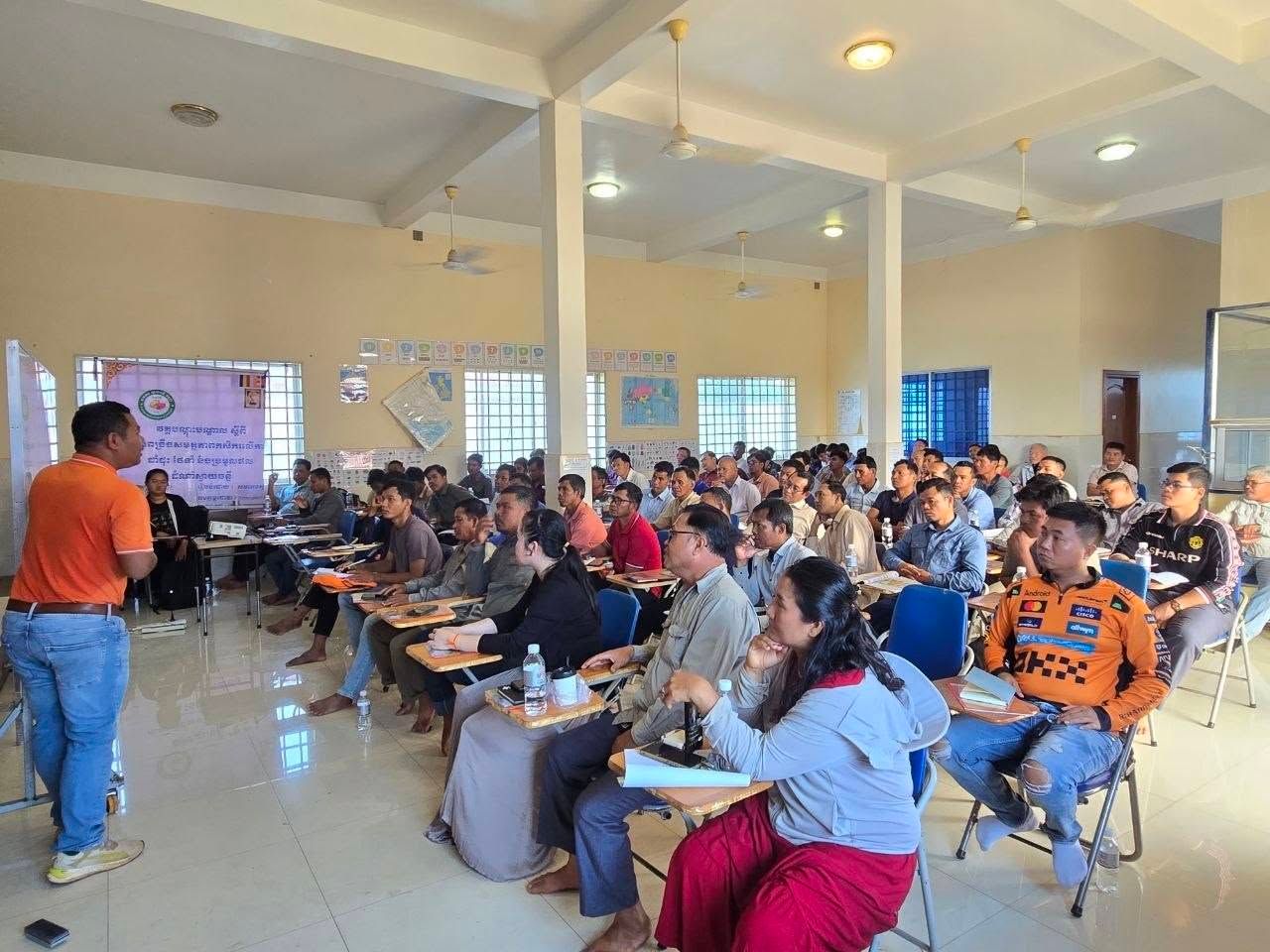
The training, held at CAC's head office in Stung Sen City, Kampong Thom Province, was led by CAC Technical Advisor Horl Long and brought together 90 farmers from eight provinces.
The session forms part of CAC's nationwide capacity-building program, which aims to organize 30 training sessions across 10 provinces, reaching approximately 2,500 cashew farmers in 2026. The CAC noted that this year's target is slightly lower than in 2025 due to financial constraints.
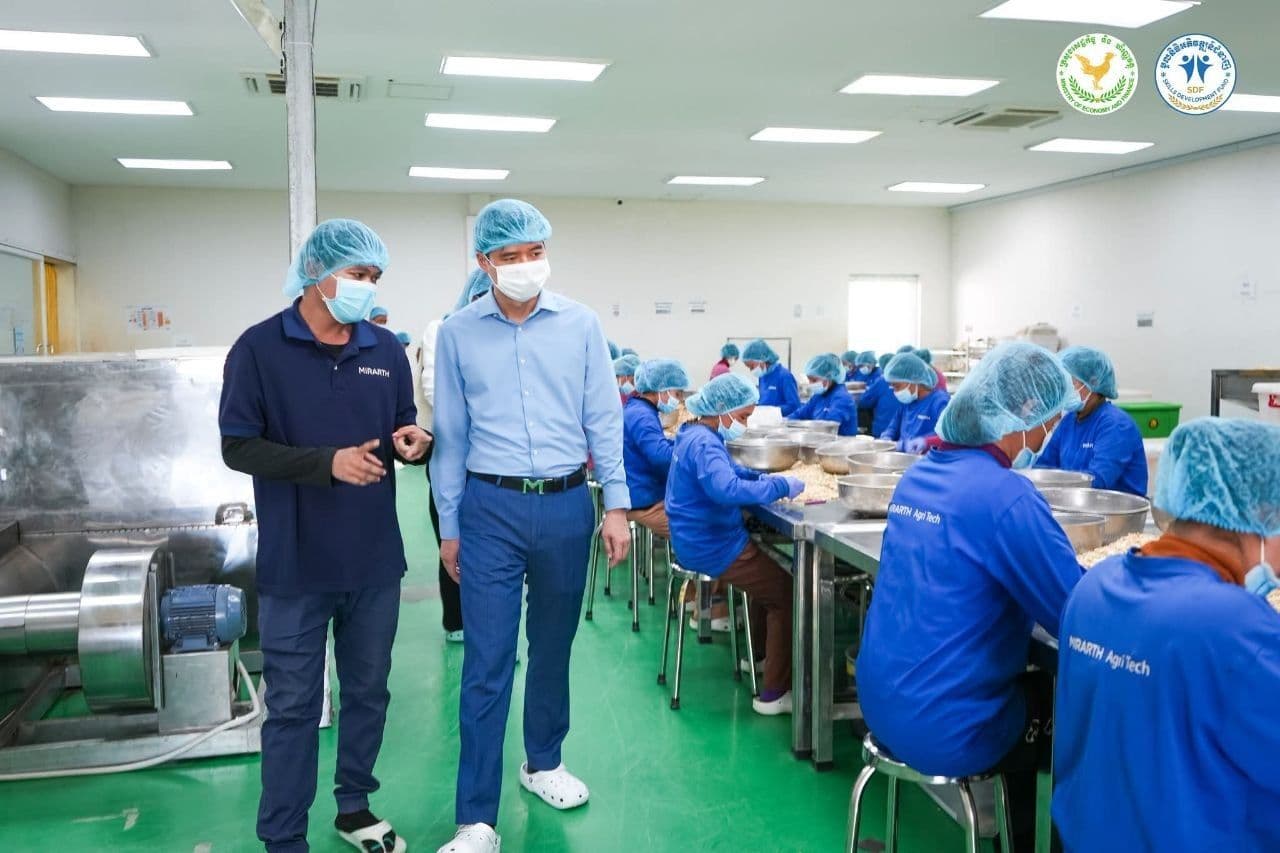
As part of its broader workforce development strategy, CAC also announced plans to collaborate with the Skills Development Fund (SDF) under the Ministry of Economy and Finance and the Polytechnic Institute of Kampong Thom (PIKT) under the Ministry of Labour and Vocational Training to strengthen technical skills in the processing sector. The initiative will include expertise from specialists from Vietnam and India to enhance Cambodia's cashew processing capabilities.
The July 26 training focused on the potential impacts of a Super El Niño on Cambodia's cashew industry. Participants learned about the causes and characteristics of El Niño, a climate phenomenon marked by unusually warm sea surface temperatures in the central and eastern Pacific Ocean that disrupt global weather patterns and can trigger droughts, heatwaves, storms and flooding.
Farmers also received practical guidance on monitoring weather conditions and understanding their effects on cashew production. Topics included rainfall distribution, sunlight exposure, humidity, seasonal weather fluctuations, soil quality and nutrient management.
Technical experts highlighted how extreme weather conditions can increase outbreaks of pests and diseases by creating favorable environments for their development. The training covered the identification and management of major cashew pests, including tea mosquito bugs, caterpillars, thrips, whiteflies and mealybugs.
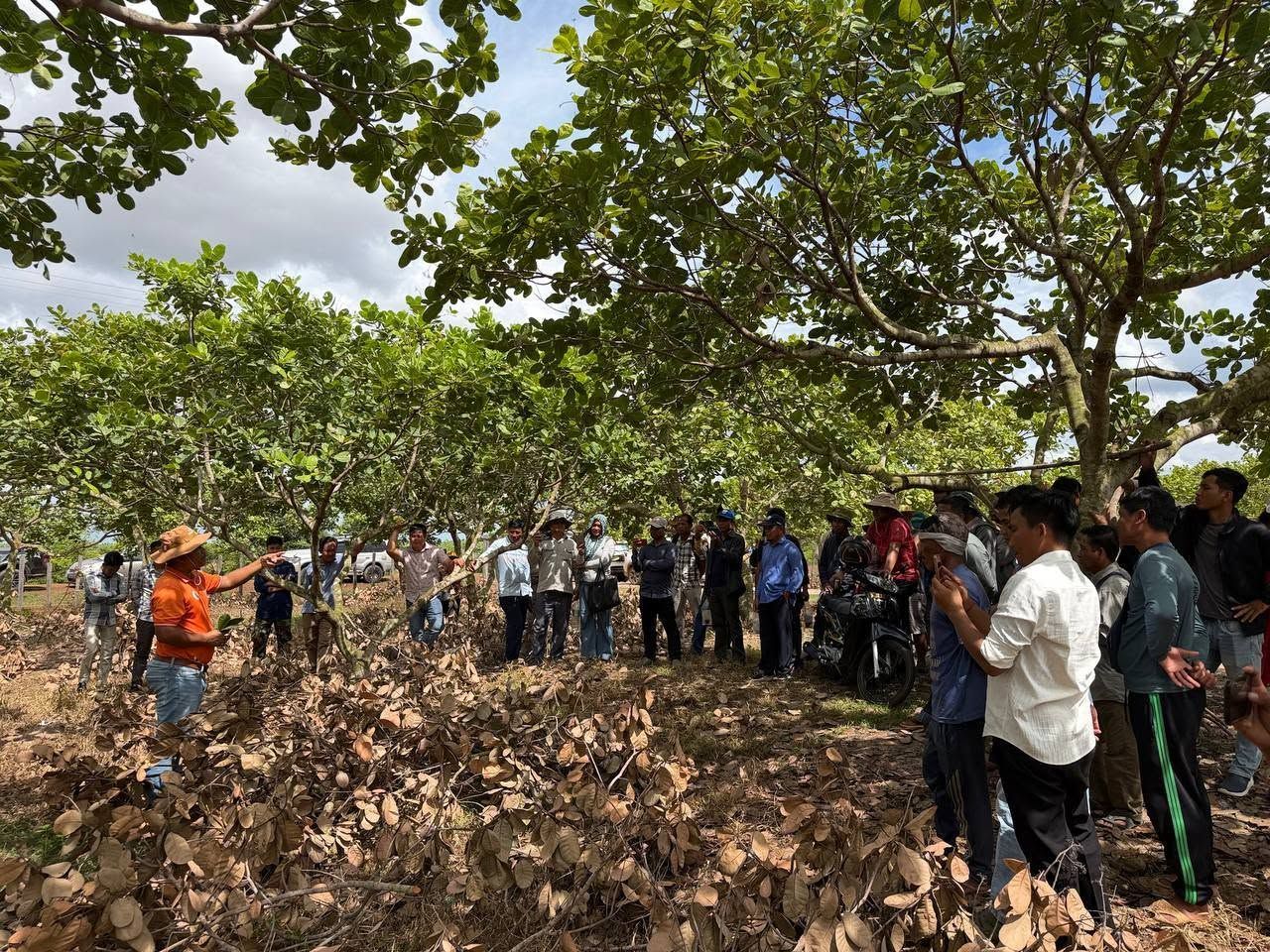
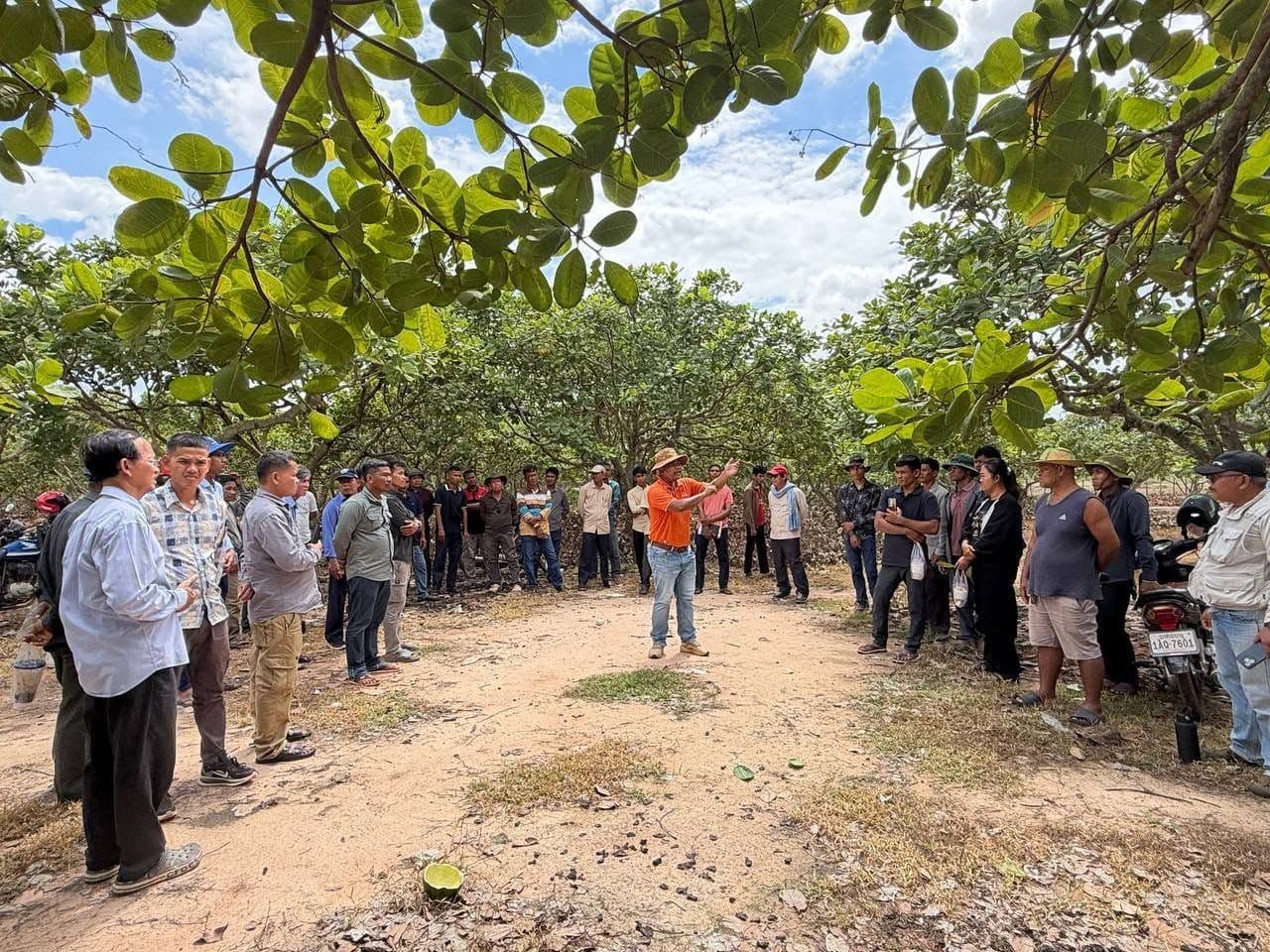
Following the classroom session, participants joined a field demonstration at a cashew orchard located approximately seven kilometers from the training venue. Together with HEM expert Nin Chakrya, trainers demonstrated practical techniques for identifying common diseases such as Fusarium Wilt and Gummosis (Stem Blight), as well as recognizing nutrient deficiencies in cashew trees through leaf diagnosis.
A key feature of the field training was the preparation and application of HEM organic solution, which trainers said can help reduce production costs, improve soil health and strengthen the resilience of cashew trees against climate-related stresses.
Silot, CAC president, said the training program reflects the association's ongoing commitment to helping farmers adopt climate-smart agricultural practices, improve orchard management and strengthen the long-term sustainability of Cambodia's growing cashew industry.