CAC News
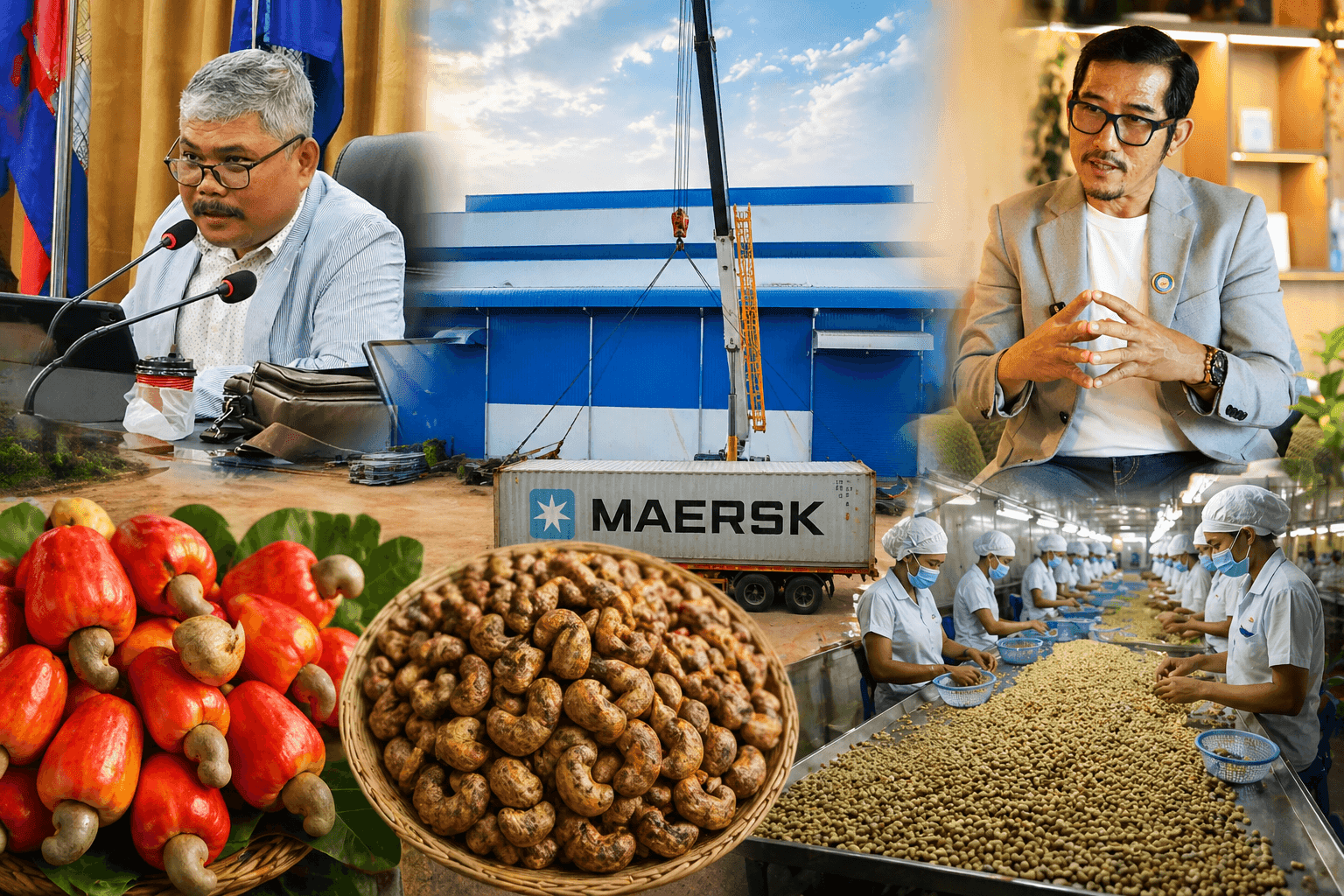
Kampong Thom province, May 2026 — Cambodia’s cashew industry is increasingly turning to automation to address serious occupational health risks linked to cashew nut shell processing, while also unlocking new opportunities for sustainable byproduct utilization.
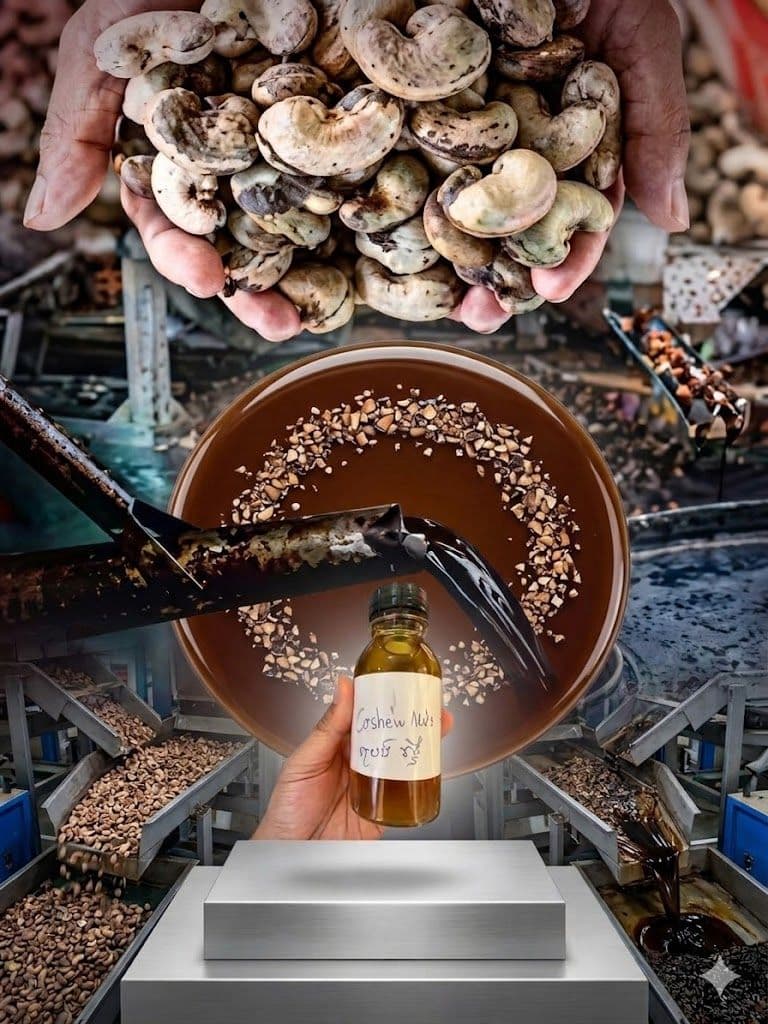
Industry experts warn that Cashew Nut Shell Liquid (CNSL), a corrosive oil naturally found in raw cashew nut shells, remains one of the most underestimated hazards in food processing operations. During shelling and cutting, the liquid can cause severe skin burns, blisters, and respiratory complications when workers are exposed over prolonged periods.
The risks are particularly severe in small and medium-sized factories that still rely heavily on manual or semi-mechanized shelling methods. In many operations, workers handle steamed raw cashew nuts directly or use basic shelling tools with limited protection from toxic CNSL exposure.
Health specialists note that even with gloves and masks, long working hours in poorly ventilated environments can lead to chronic coughing, throat inflammation, and long-term lung damage. Factory operators also face rising concerns over worker absenteeism, inconsistent productivity, and stricter international labor safety standards.
Automation Reducing Risks
Industry leaders say automated processing lines are transforming factory safety standards by significantly reducing human exposure to CNSL.
Under fully mechanized systems, raw cashew nuts move through closed steaming chambers and automated shelling units where shells are cracked and separated without direct human handling. Workers are instead assigned to supervisory, technical, and quality-control roles.
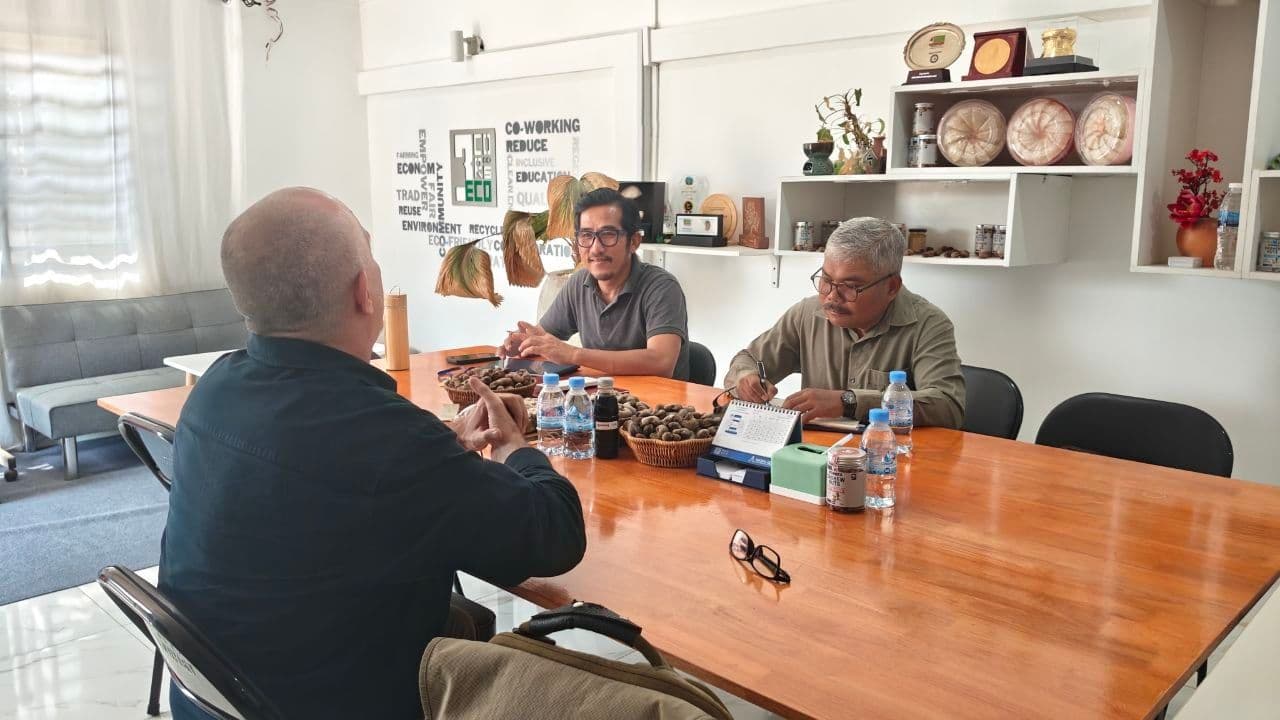
Silot Uon, Chairman of the Cashew Nut Association of Cambodia (CAC), said the industry is also exploring ways to maximize the value of cashew byproducts while lowering production costs.
According to Silot, Cambodia is expected to establish one medium-sized CNSL extraction plant and two smaller facilities. The smaller plants will utilize Japanese technology capable of extracting CNSL in only two processing steps, while the larger systems will adopt Vietnamese technology requiring five stages.
Toward a Circular Cashew Economy
Beyond industrial applications, cashew byproducts are increasingly being integrated into sustainable agricultural systems.
Extracted cashew shell residue can be converted into biochar or organic fertilizer for reuse in cashew farms, while juice from cashew apples is being studied for use as foliar boosters in agriculture.
Silot believes these innovations could help reduce production costs and improve the international competitiveness of Cambodian cashew kernels.
As Cambodia pushes to expand domestic processing capacity, automation and circular economy practices are expected to play a central role in transforming the country’s cashew industry into a safer, higher-value, and more sustainable sector.